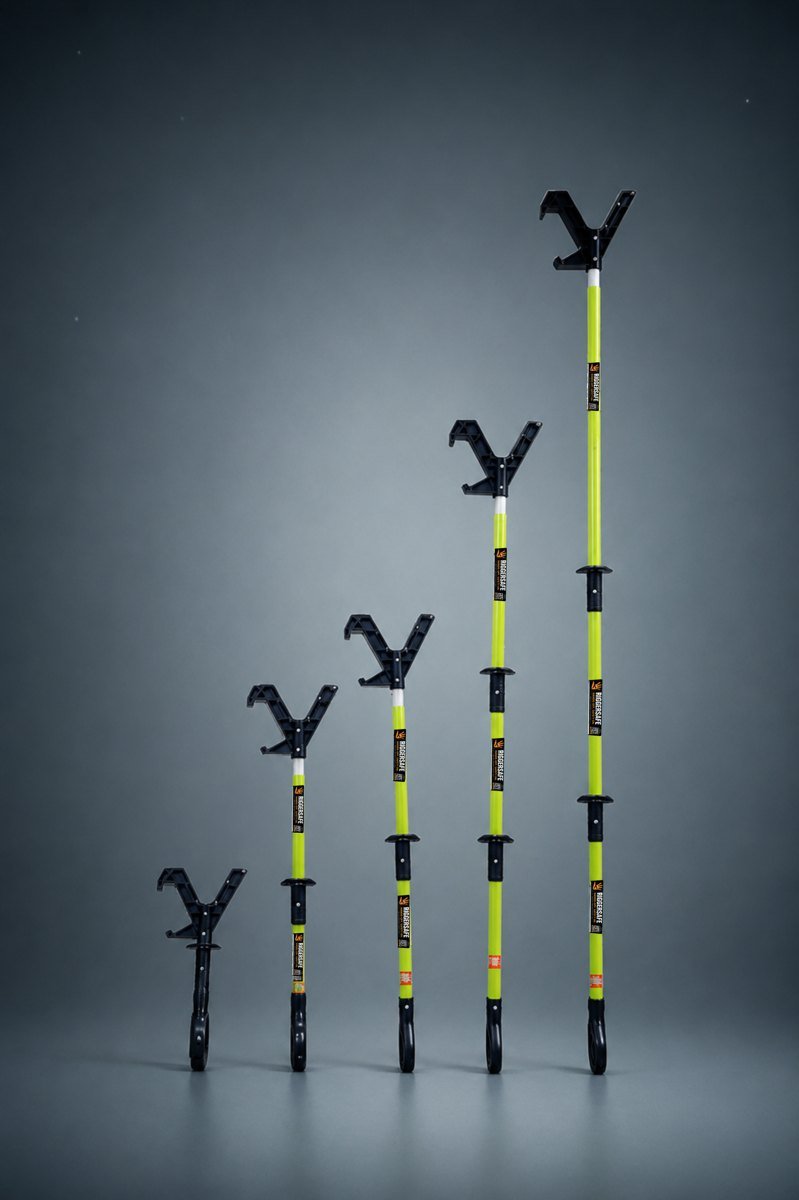
Load guidance
RiggerSafe®
Guide and position a load through a distance interface.
Application guidance
Review contact geometry, direction of force and clearance. The lifting system supports the load.

Explore the purpose of each tool, then review the application. A catalogue name alone cannot establish suitability.
Guidance tools do not replace the lifting system. Specifications and current configurations are confirmed during quotation.
RiggerLock and LoadGrab MagHead guidance tools transfer the guiding function through magnetic contact. Hand lifters provide a handling grip for suitable ferrous components. Select by material, surface, thickness, geometry, movement and release—not magnetic force alone. Confirm current ratings and permitted use during application review.
Guide and position a load through a distance interface.
Review contact geometry, direction of force and clearance. The lifting system supports the load.
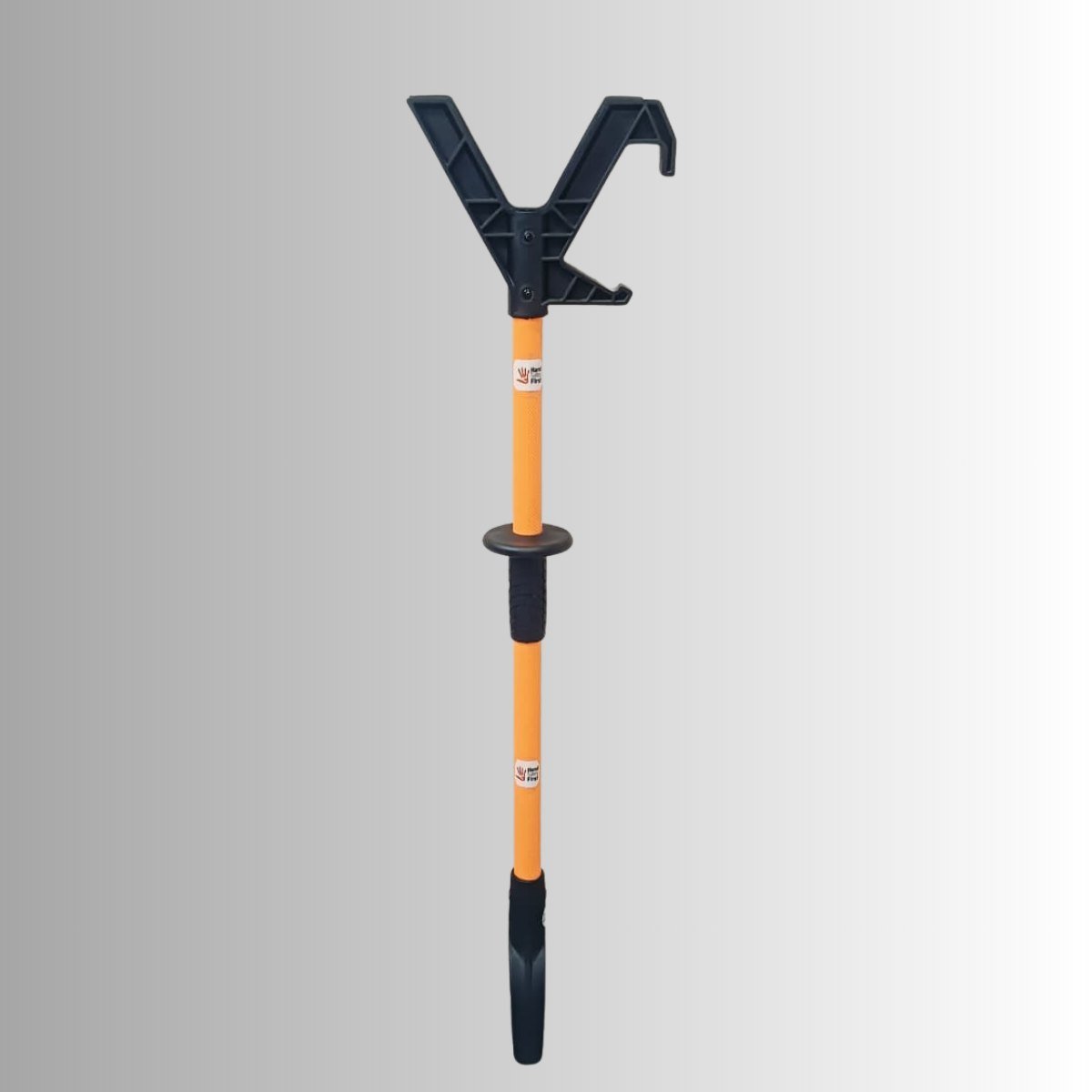
Push, pull and reposition loads without direct hand contact.
Confirm a stable contact point and controlled force; never treat a guidance tool as lifting equipment.
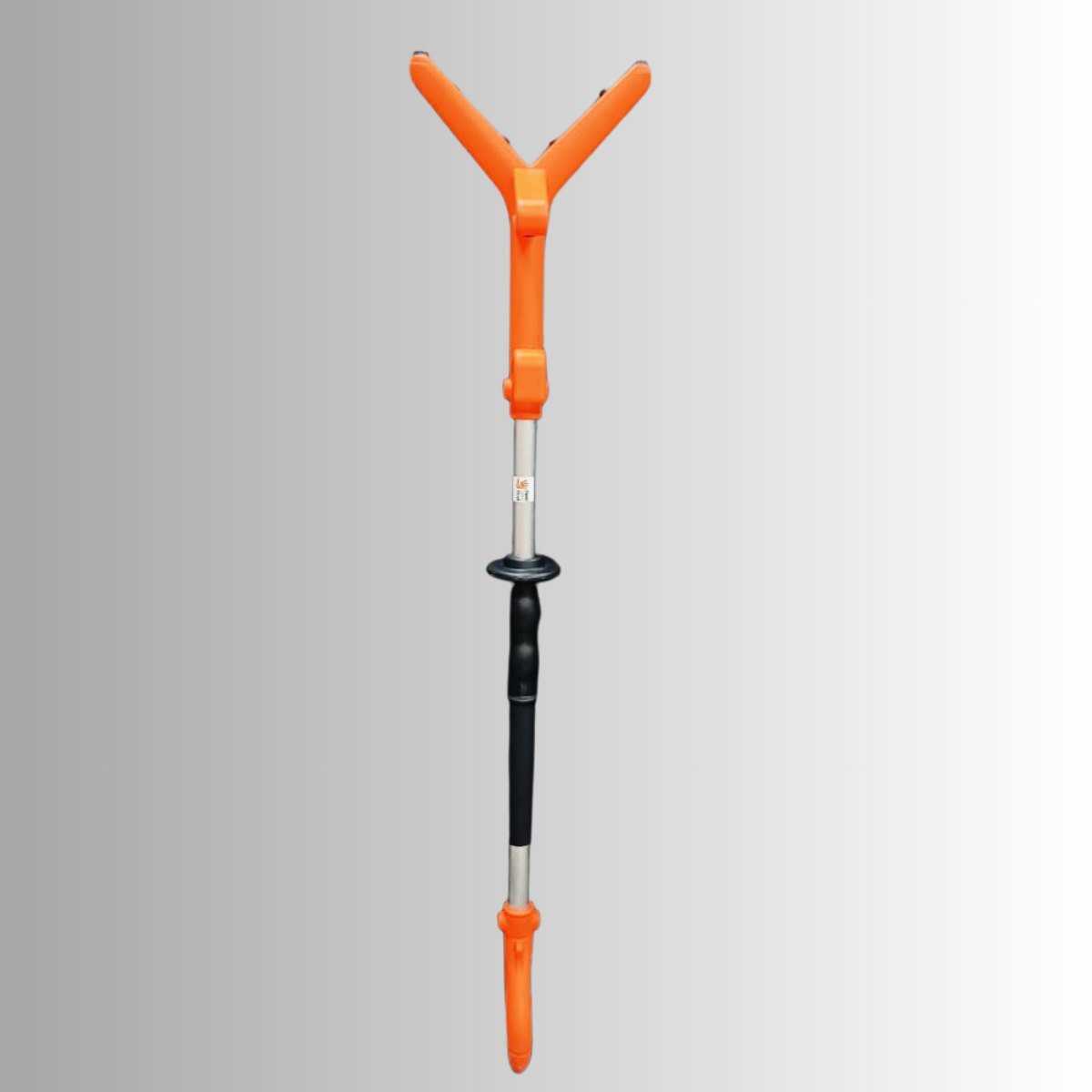
A handling interface for cargo positioning.
Share cargo shape, surface and movement before selecting an interface.
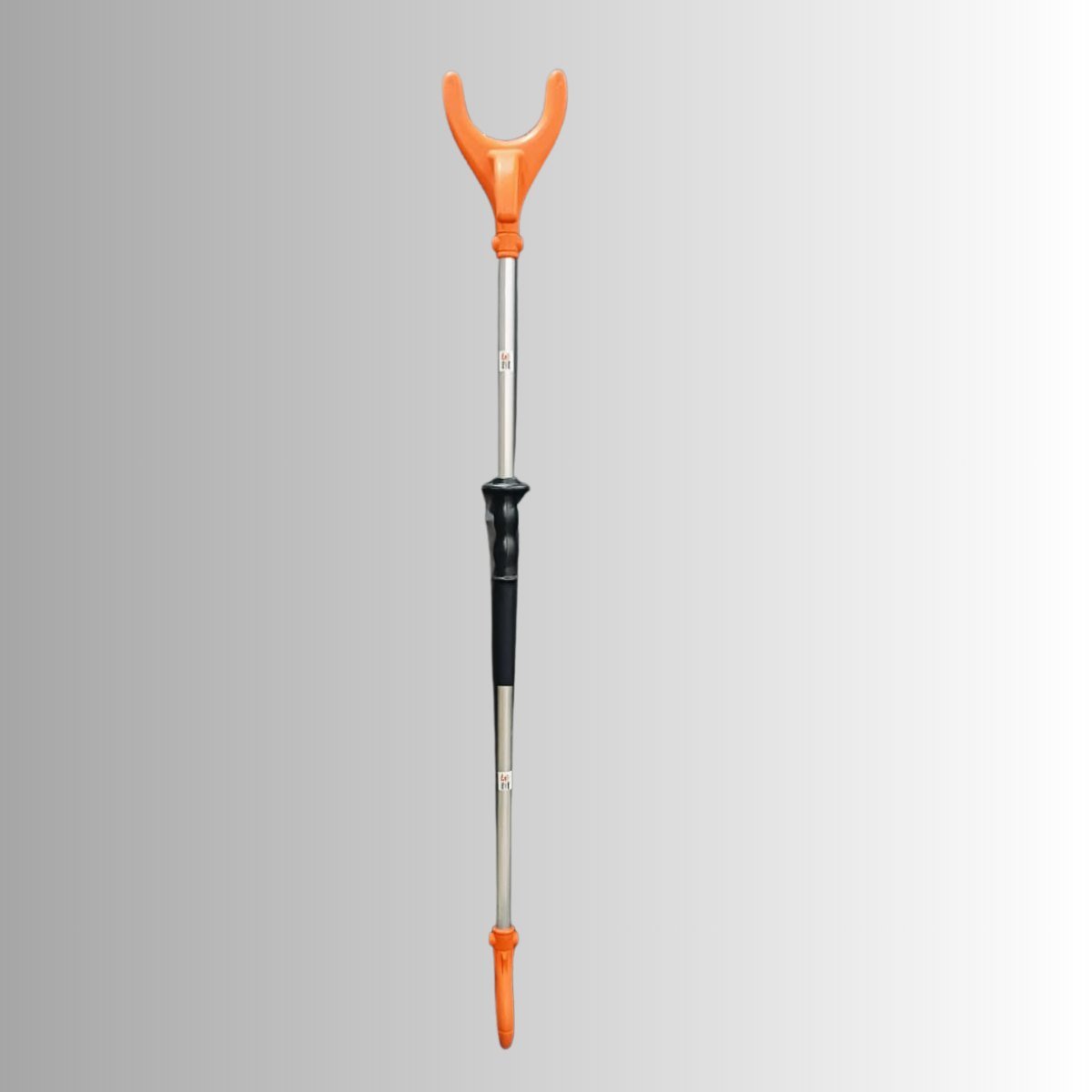
Guide drill pipe through a distance interface.
Review pipe geometry, movement and the required operator position.
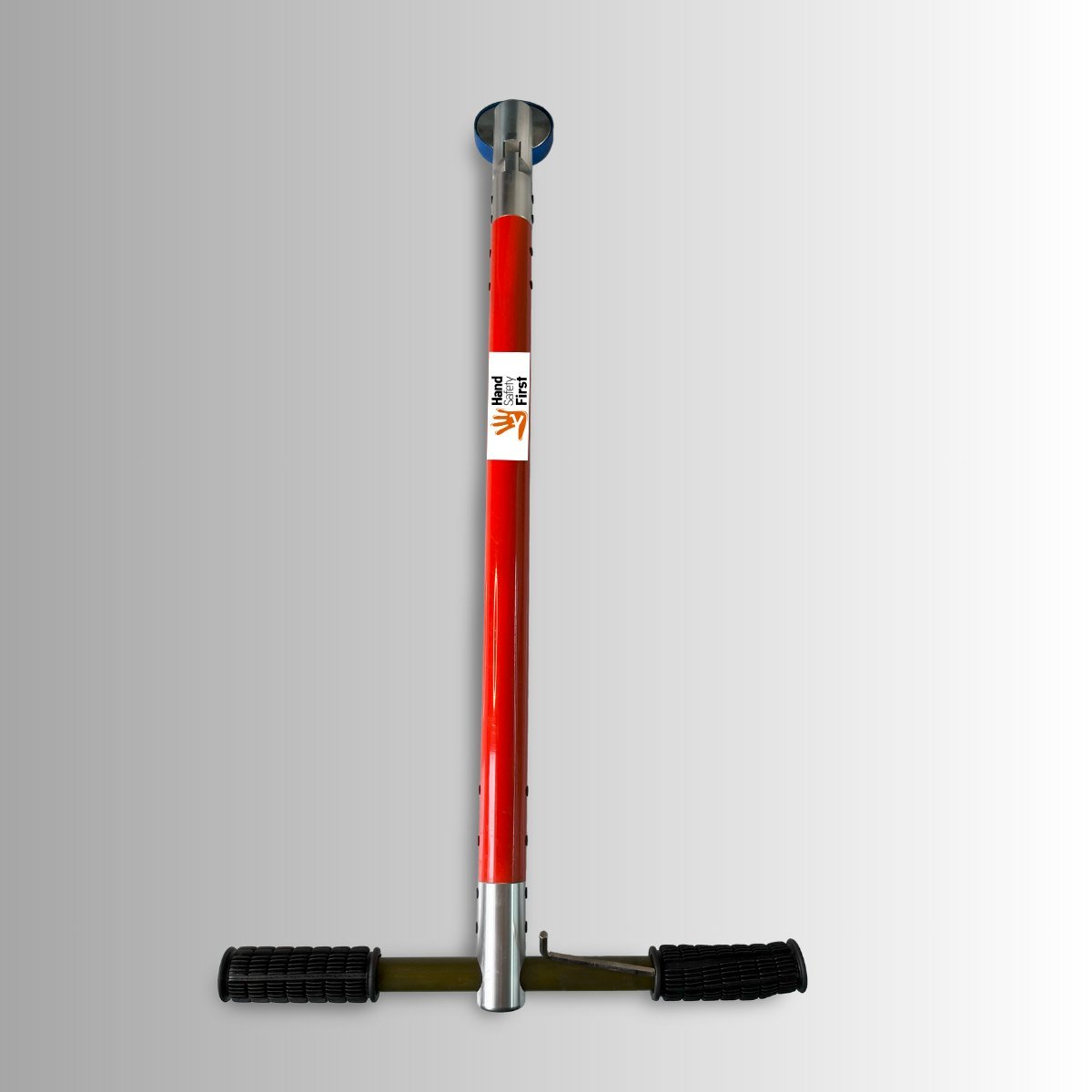
Magnetic contact for guiding suitable ferrous surfaces.
Confirm surface compatibility and release method; magnetic guidance is not rated lifting.
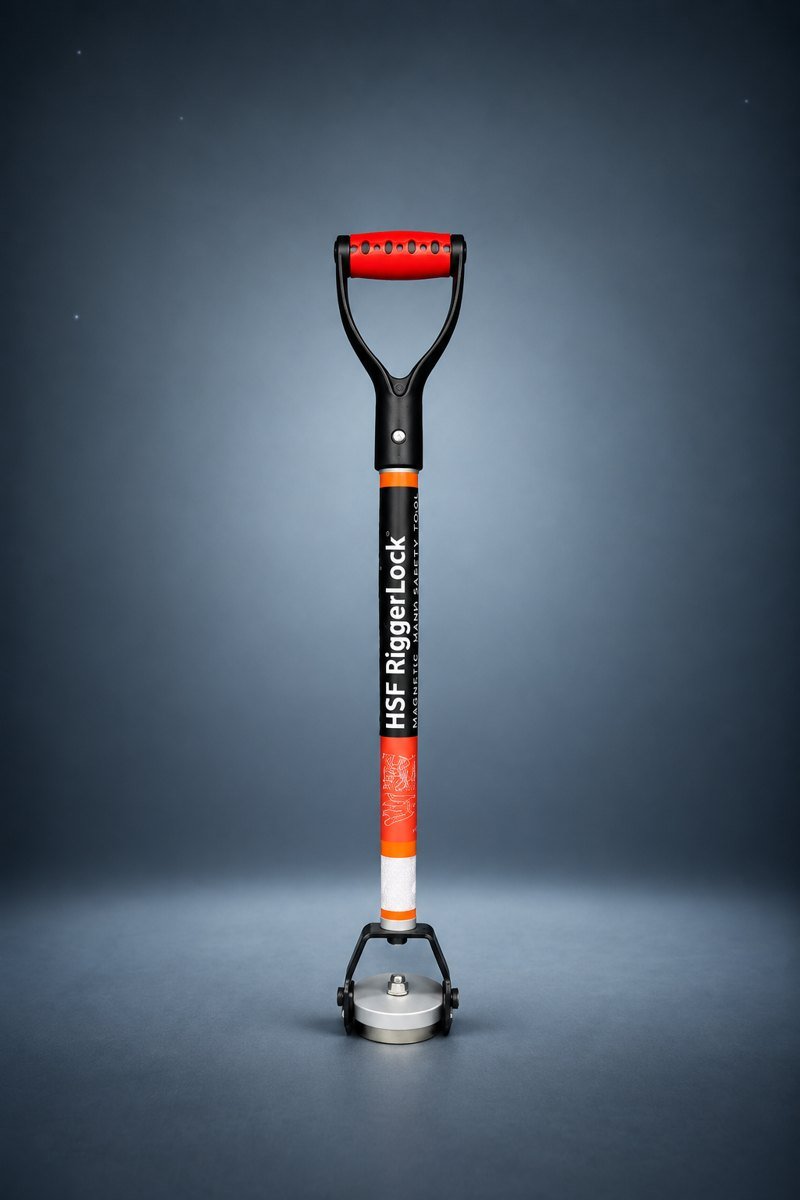
Magnetic guidance with a detachable interface.
Review steel surface, access, load motion and safe release before use.
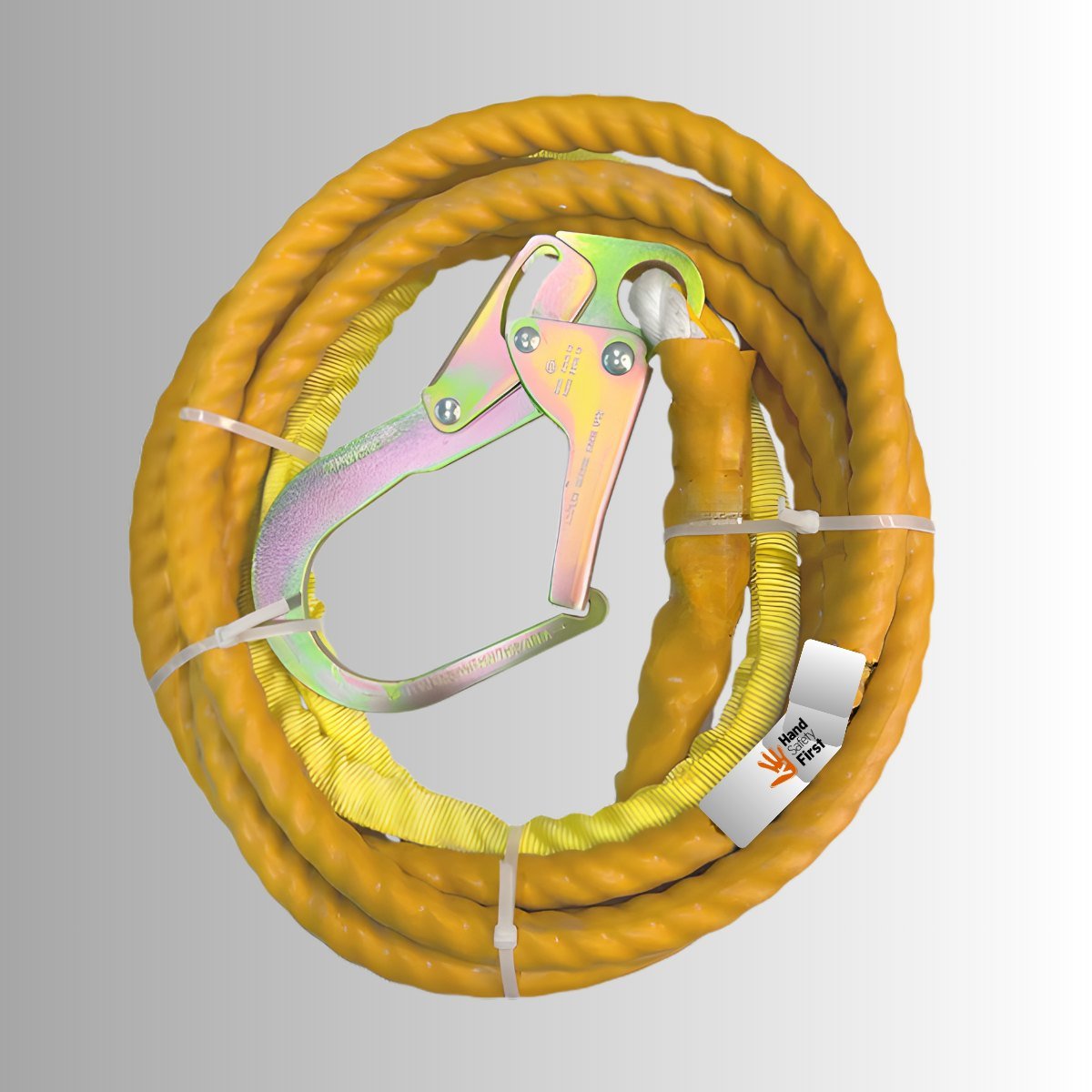
A distance interface for suspended-load guidance.
Plan attachment, travel path and operator position. Keep clear of bights and moving loads.
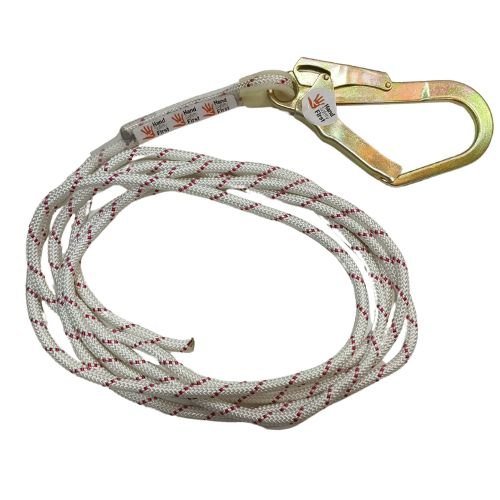
Tagline-based guidance for lifting tasks.
Select length and attachment for the task; review snagging, entanglement and escape routes.
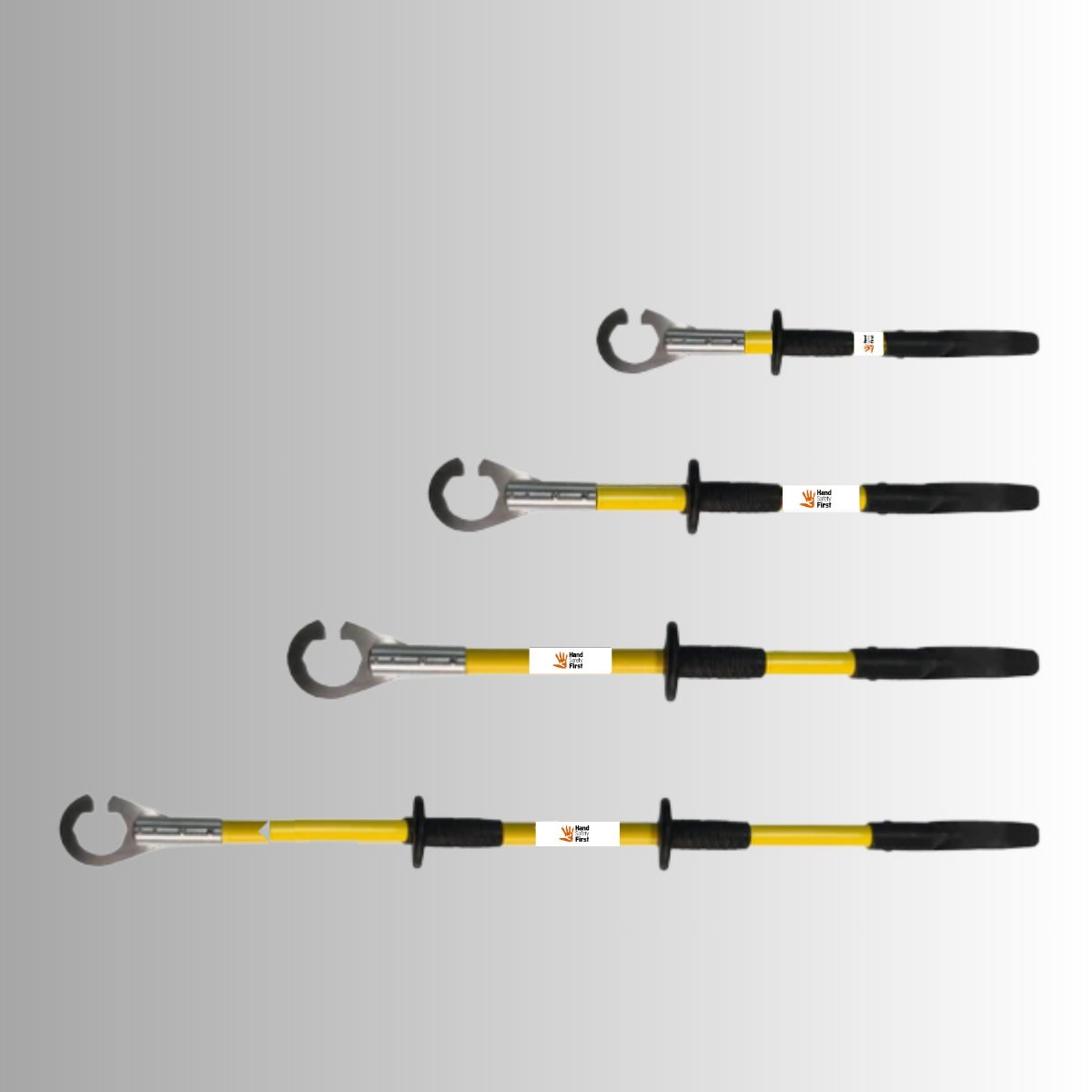
An interface for reaching and handling a sling.
Review sling access and movement; use within the approved lifting sequence.
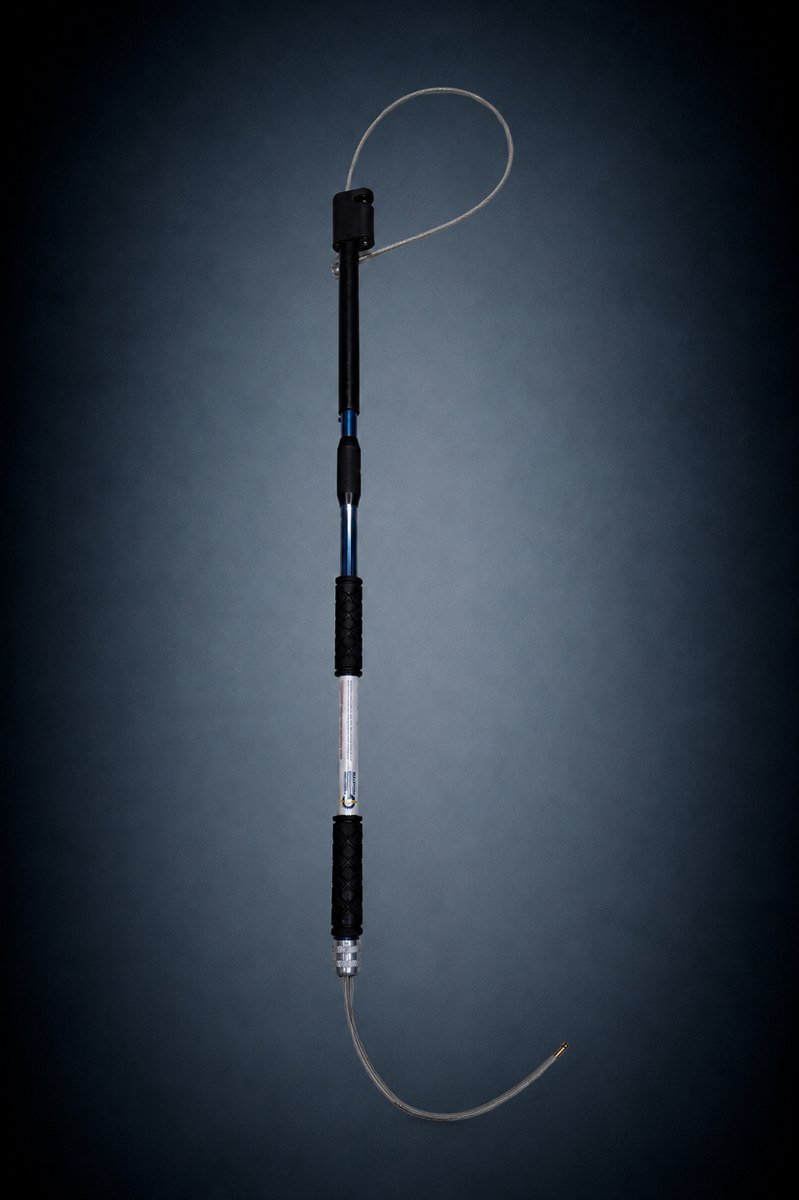
Guide and position suspended tubulars.
Review contact profile, task forces, clearances and release sequence.
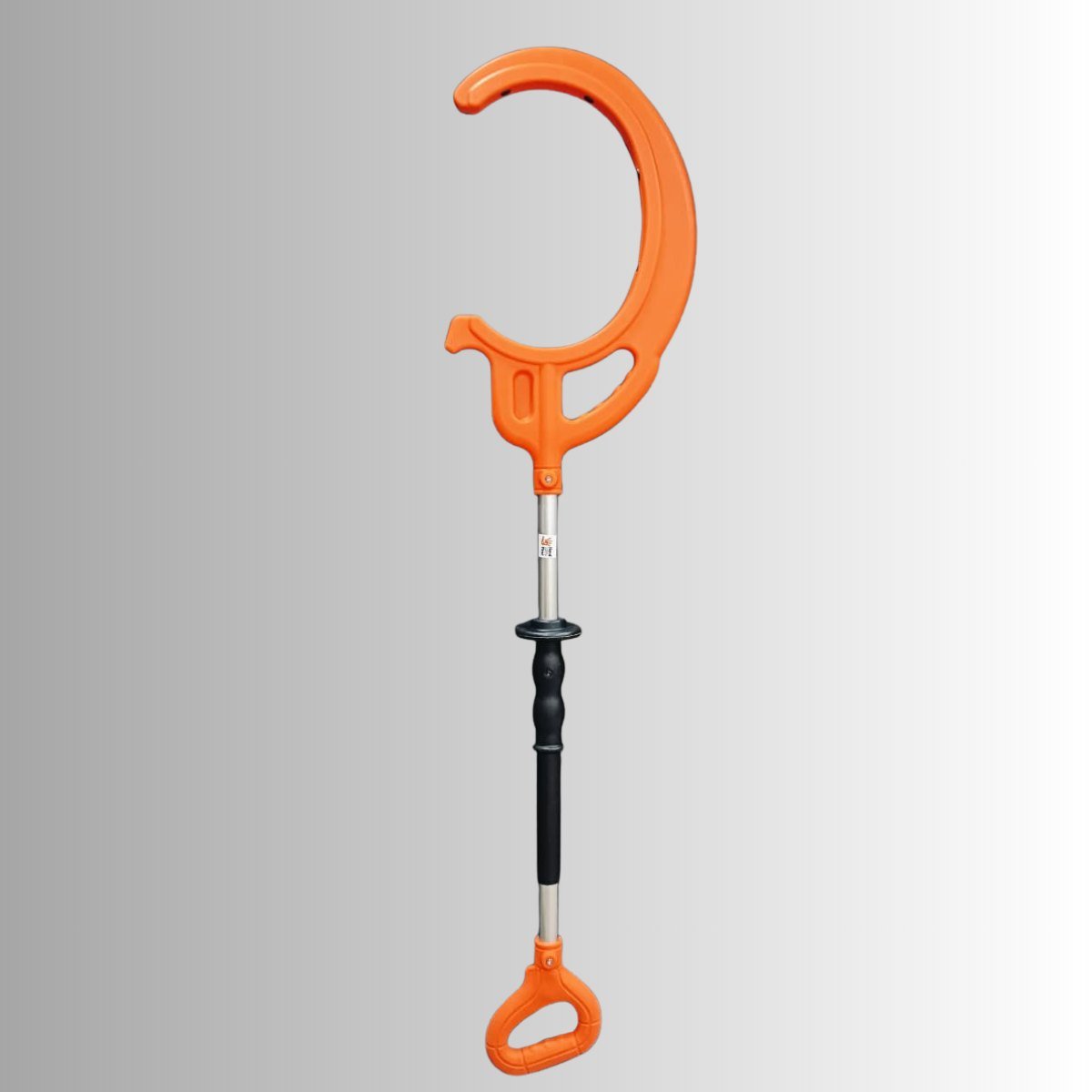
Grip and guide pipe through a handling interface.
Confirm pipe size, surface and task method before selection.
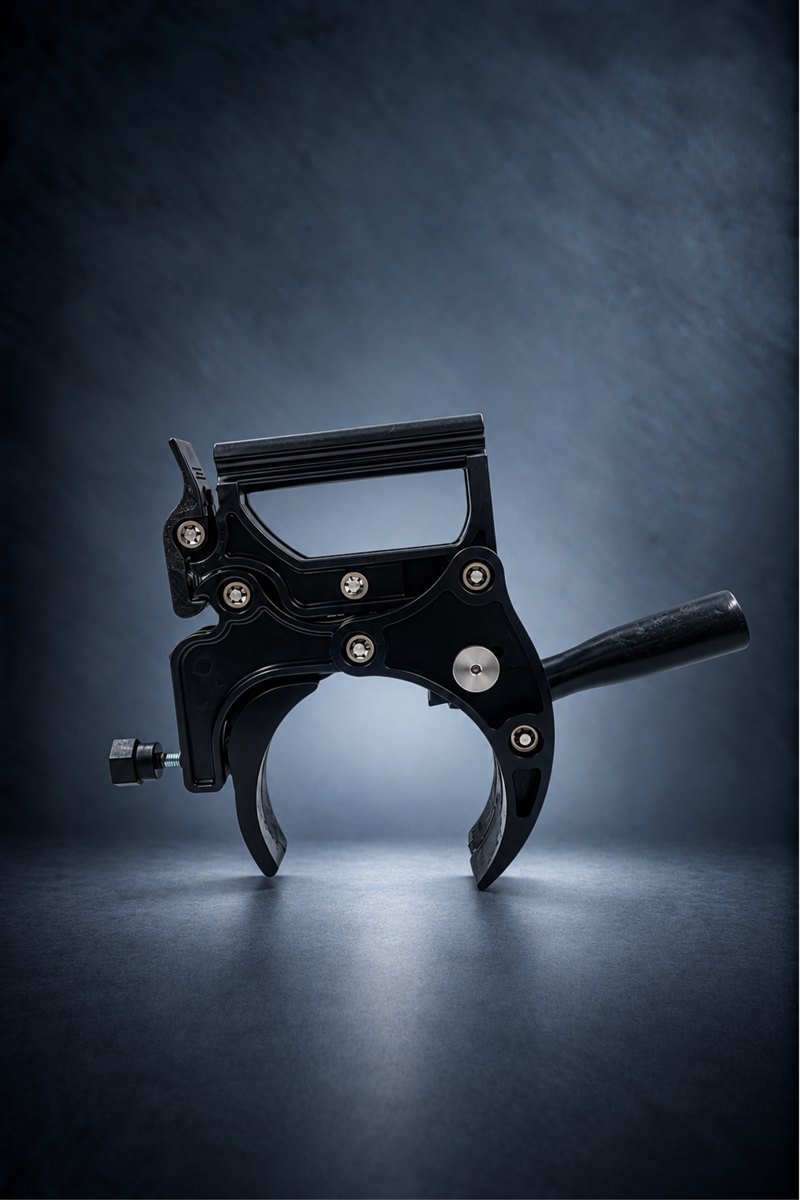
A grip interface for hose and pipe handling.
Confirm diameter, contents, isolation and handling weight; review the complete movement.
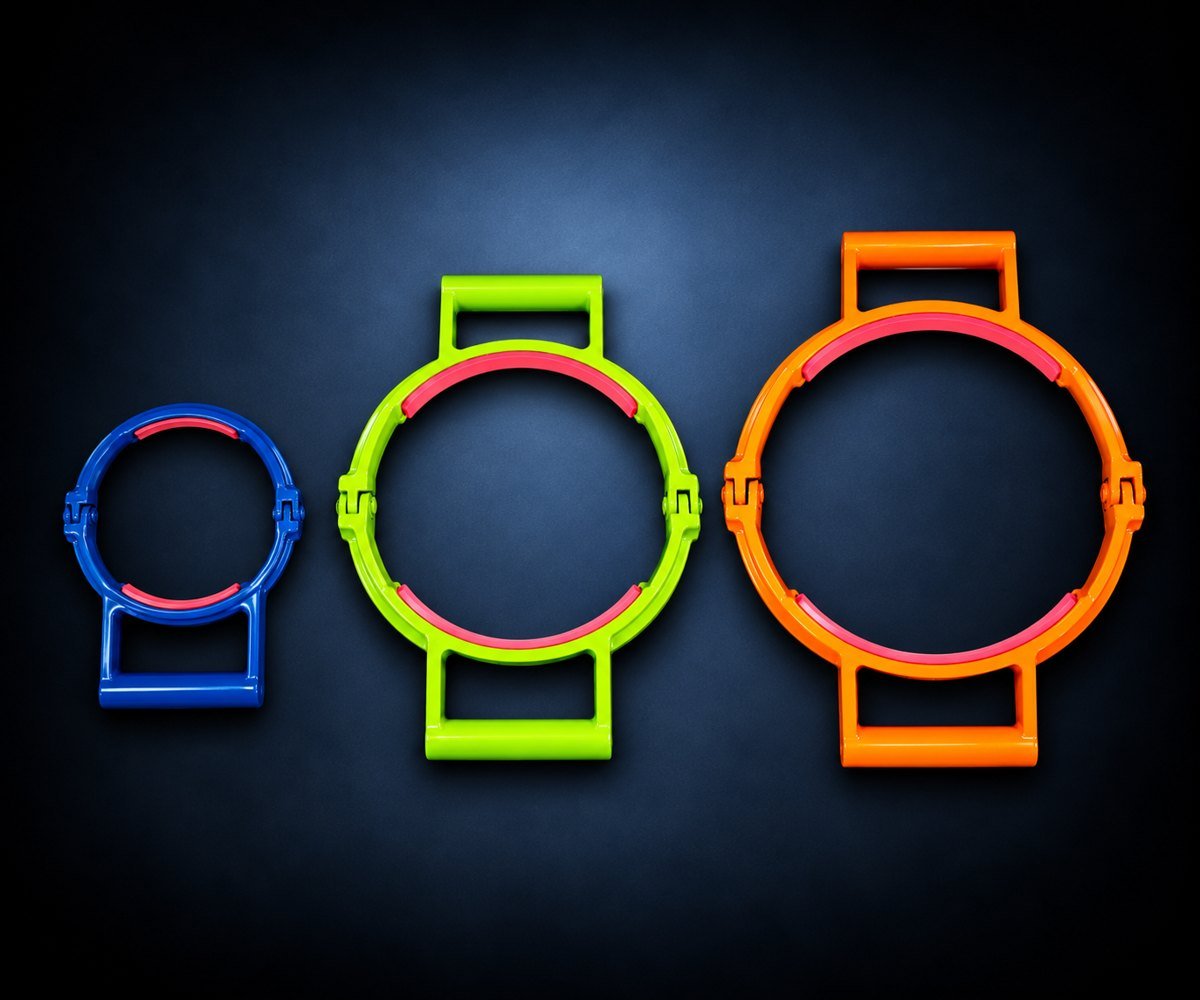
A handling grip for moving gas cylinders.
Confirm cylinder geometry, condition and handling procedure; do not apply to fittings.
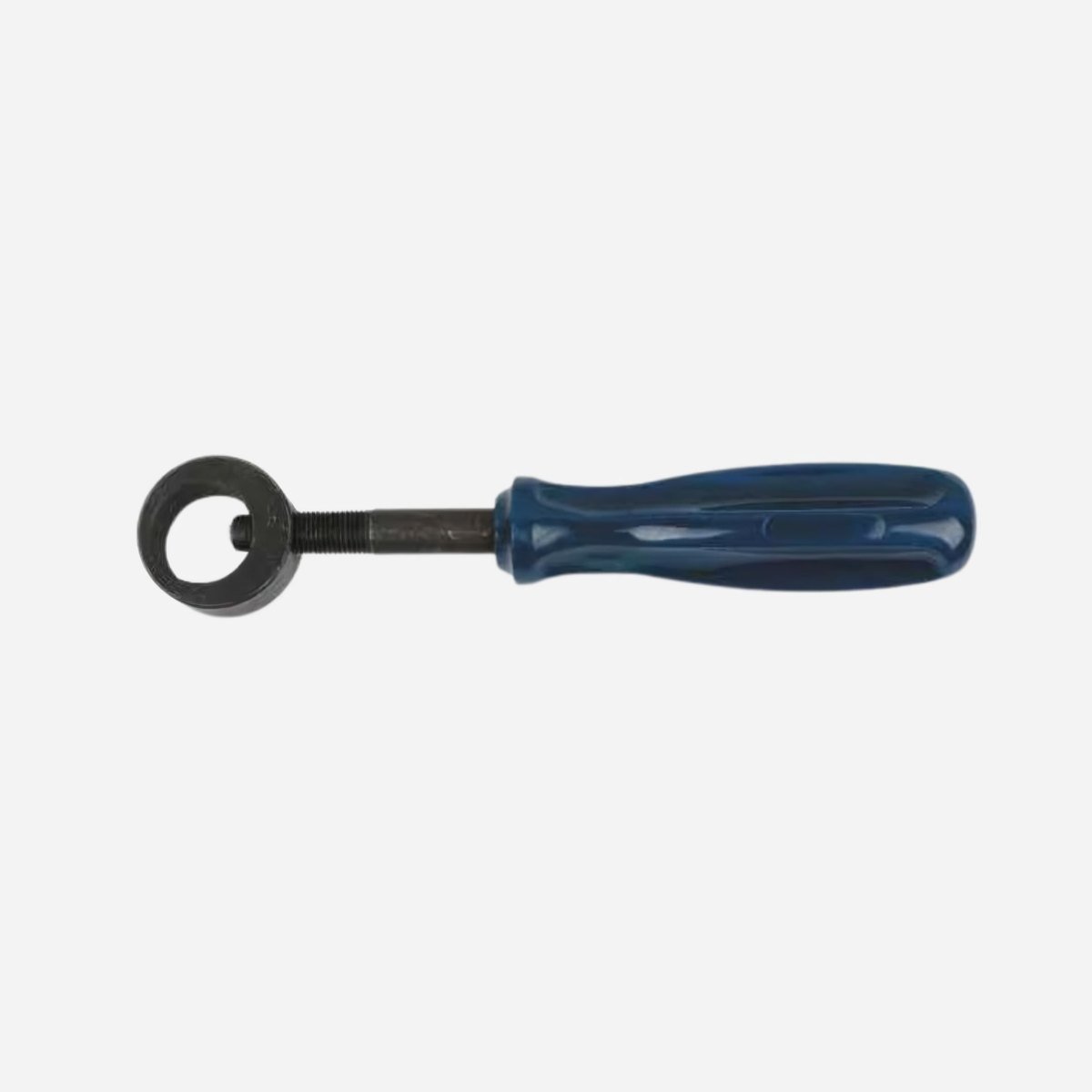
Hold a punch or chisel through an interface.
Review holder fit, strike direction and the complete striking task.
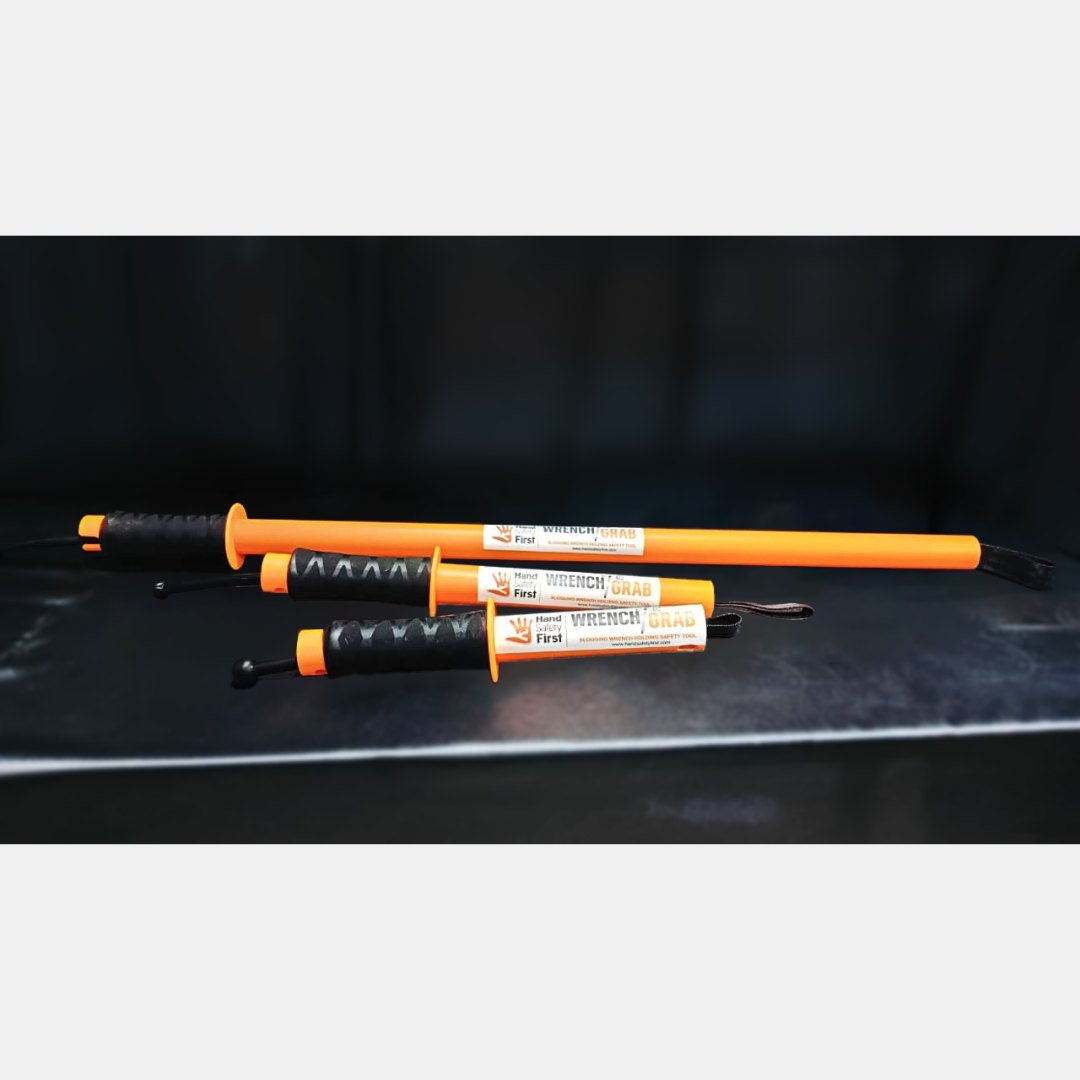
A holding interface for a wrench during applicable tasks.
Confirm tool fit and the approved operation before selecting.
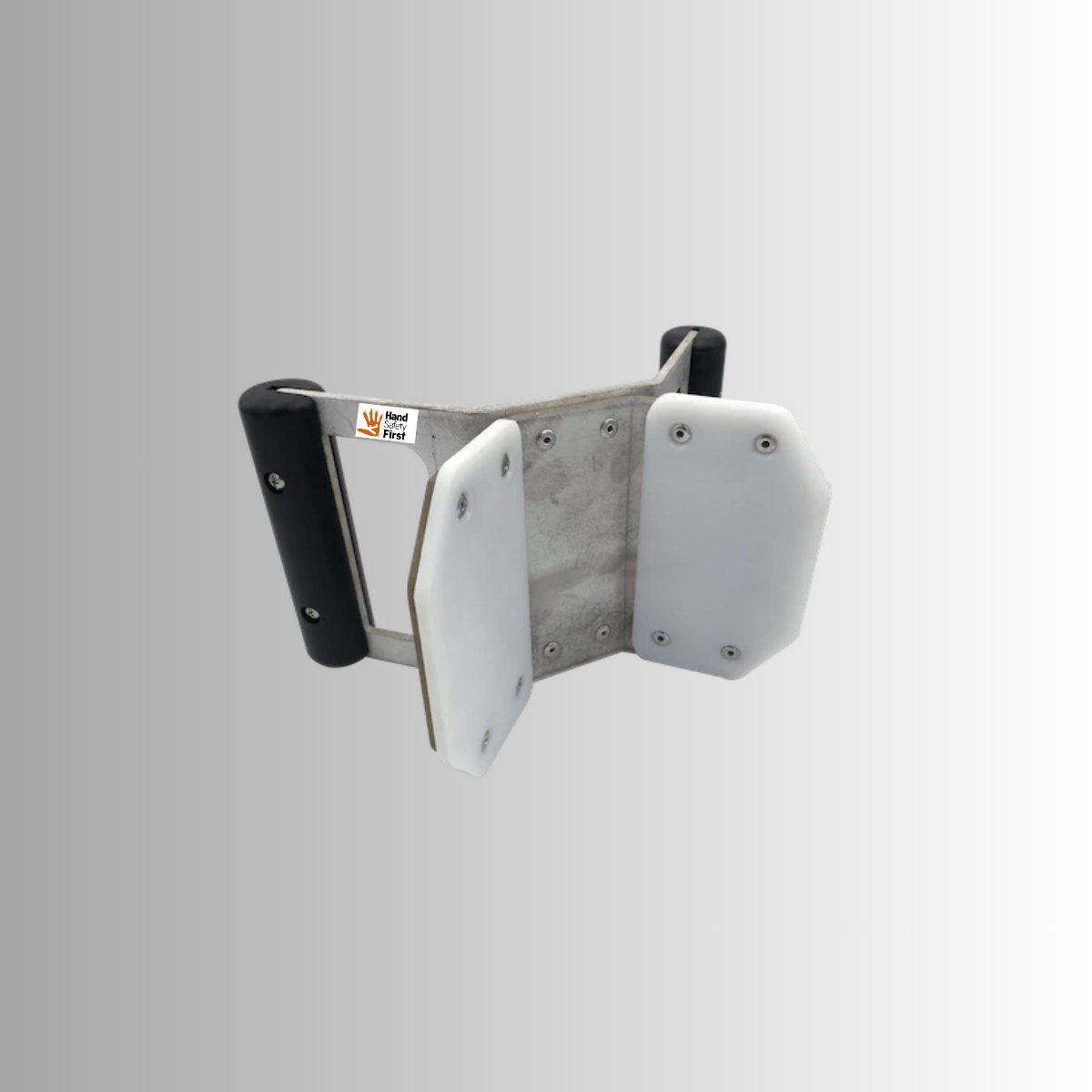
Guide pipe during rack-back positioning.
Review racking geometry, movement, pinch points and operator clearance.
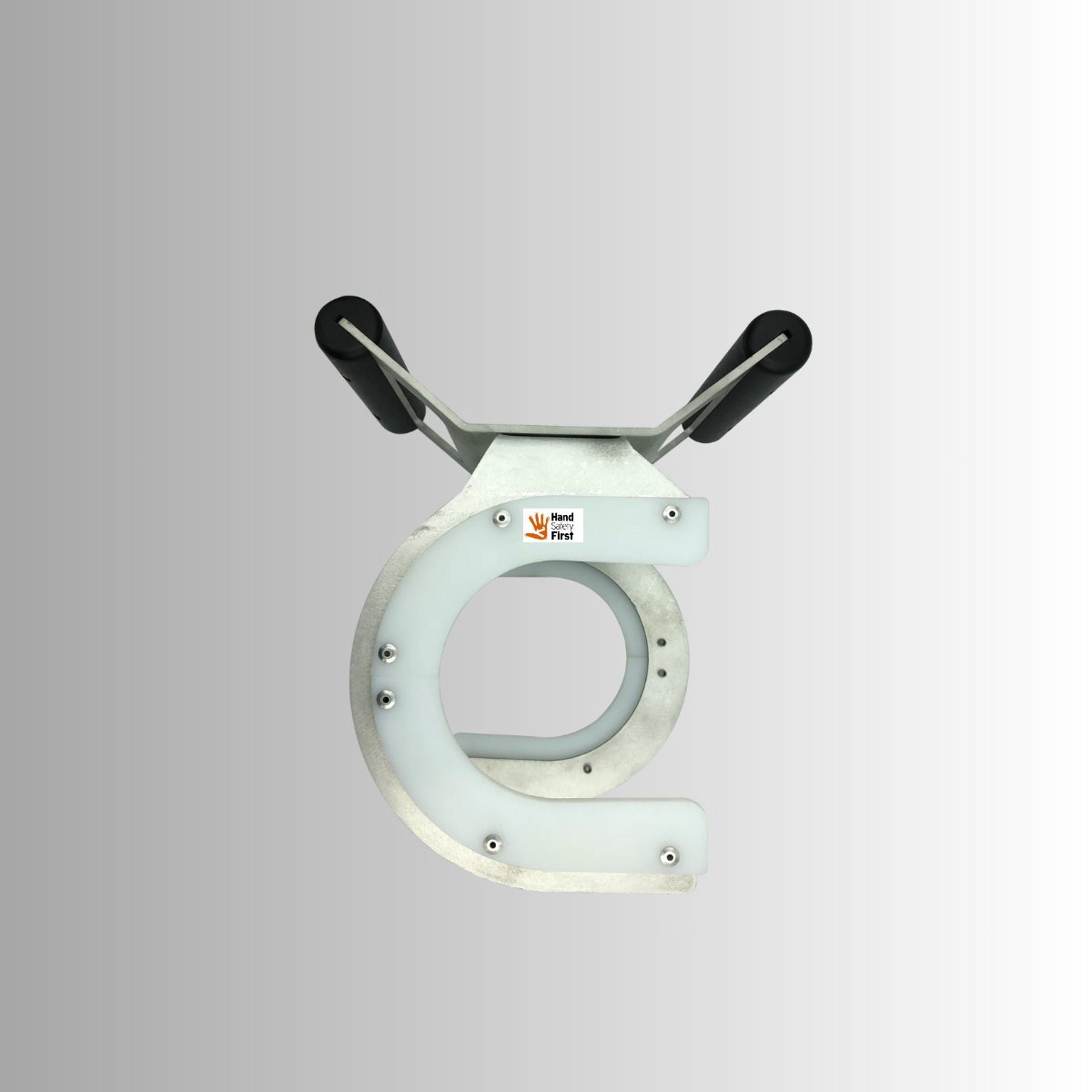
A distance interface for tubular positioning and rotation.
Assess rotation, contact and release before application.
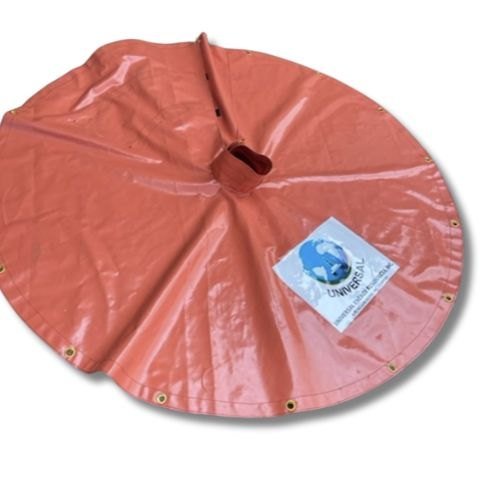
A cover interface for the rotary-table opening.
Confirm opening dimensions and operation; an opening safeguard has a different role from a hand-guidance tool.
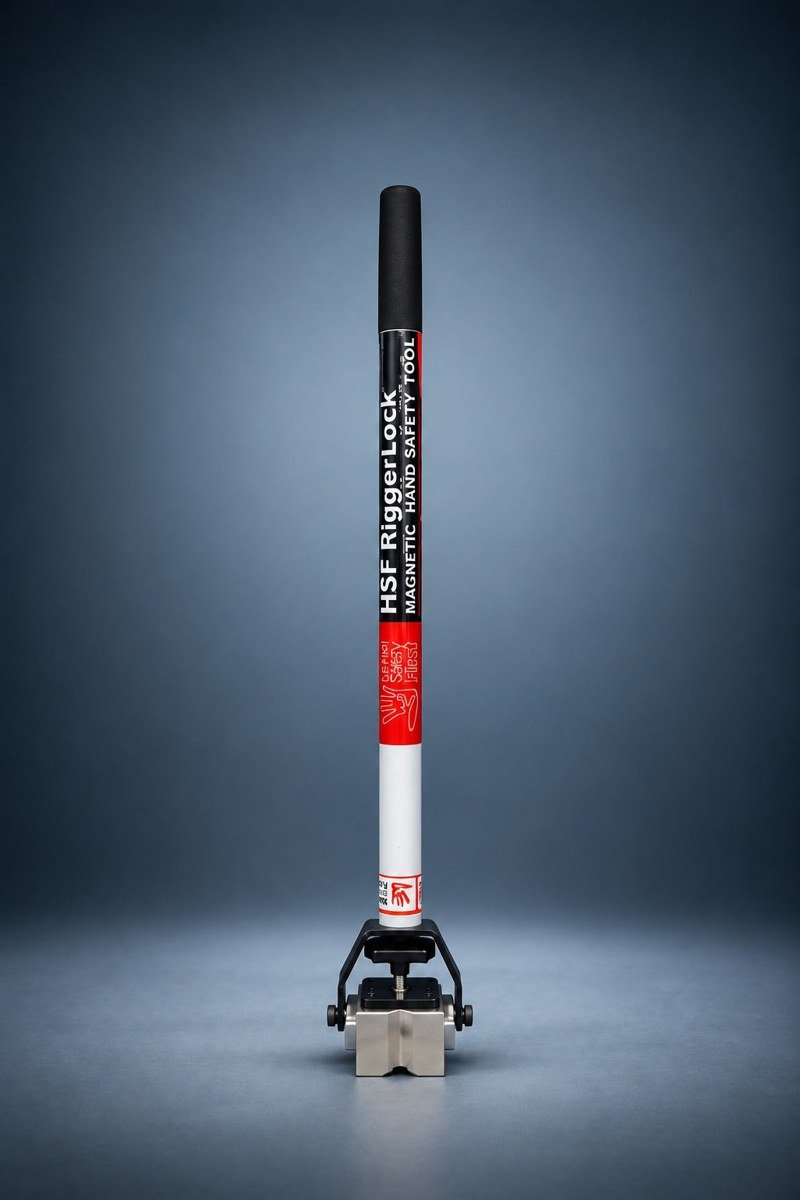
Switchable magnetic contact for steel guidance and positioning.
Confirm the contact surface, engagement control and release sequence. The lifting system supports suspended loads.
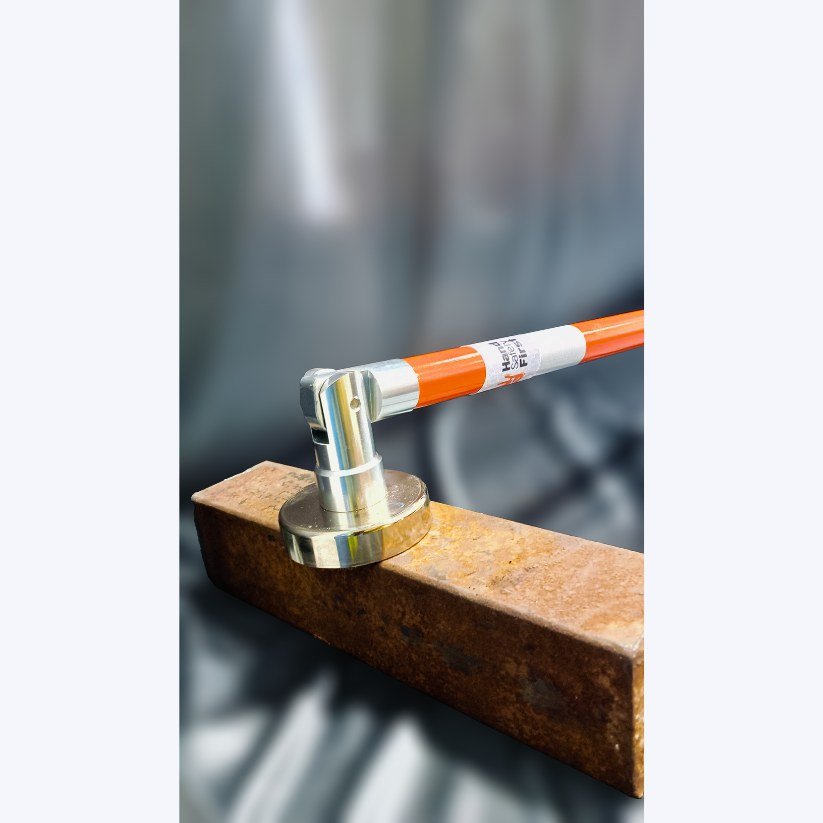
Flexible-head magnetic guidance with a D-handle grip.
Review head articulation, force direction, reach and release. Confirm stable contact across the complete movement.
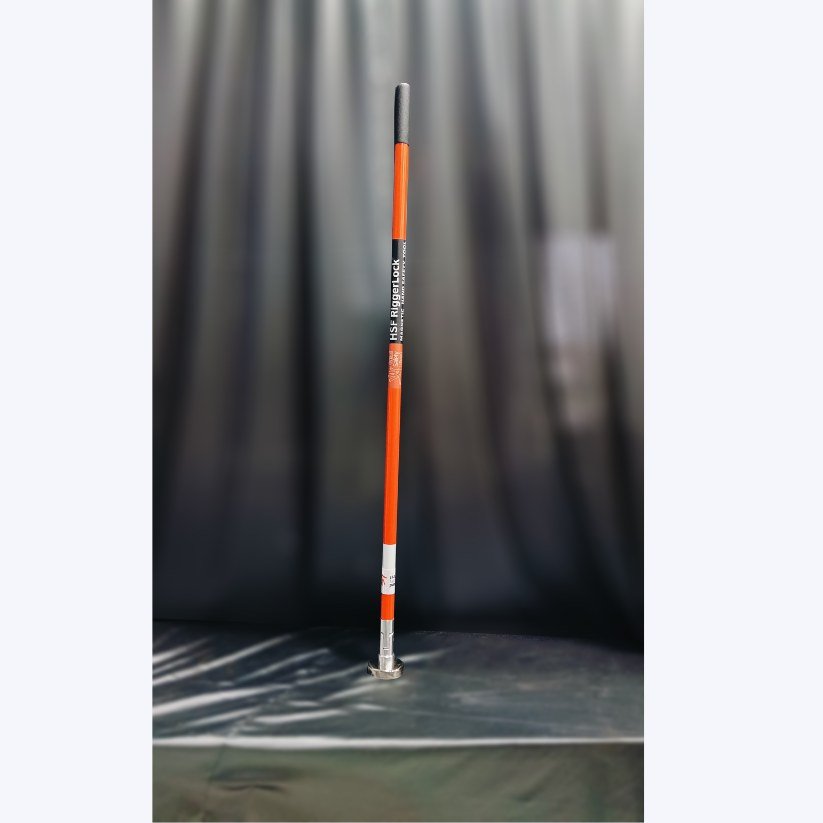
Flexible-head magnetic guidance with a streamlined handle arrangement.
Select grip and reach for the task; review clearance, contact stability and operator position before use.
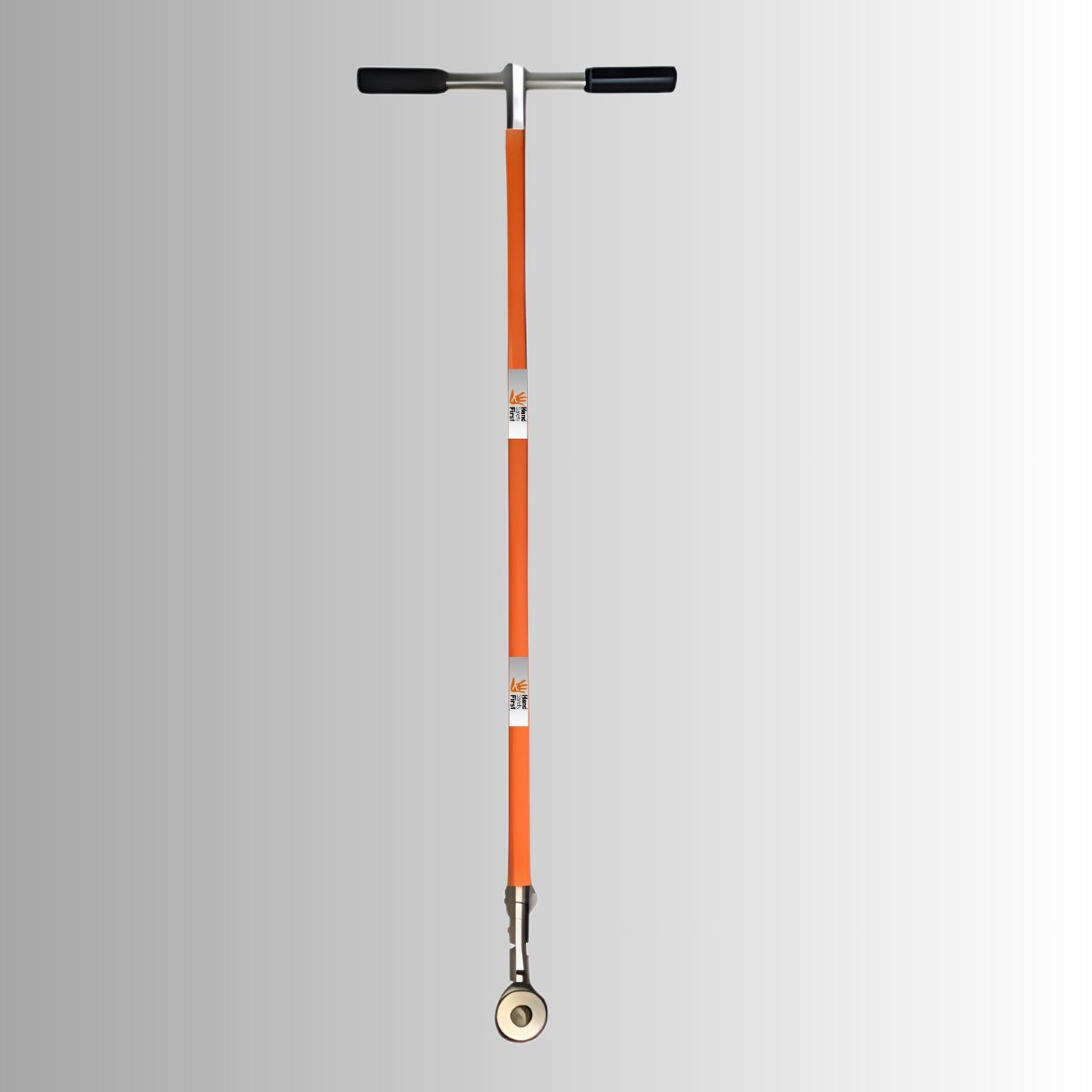
Adjustable-reach magnetic interface for guiding ferrous loads.
Confirm extension setting, locking, balance and release. Magnetic guidance does not establish a lifting rating.
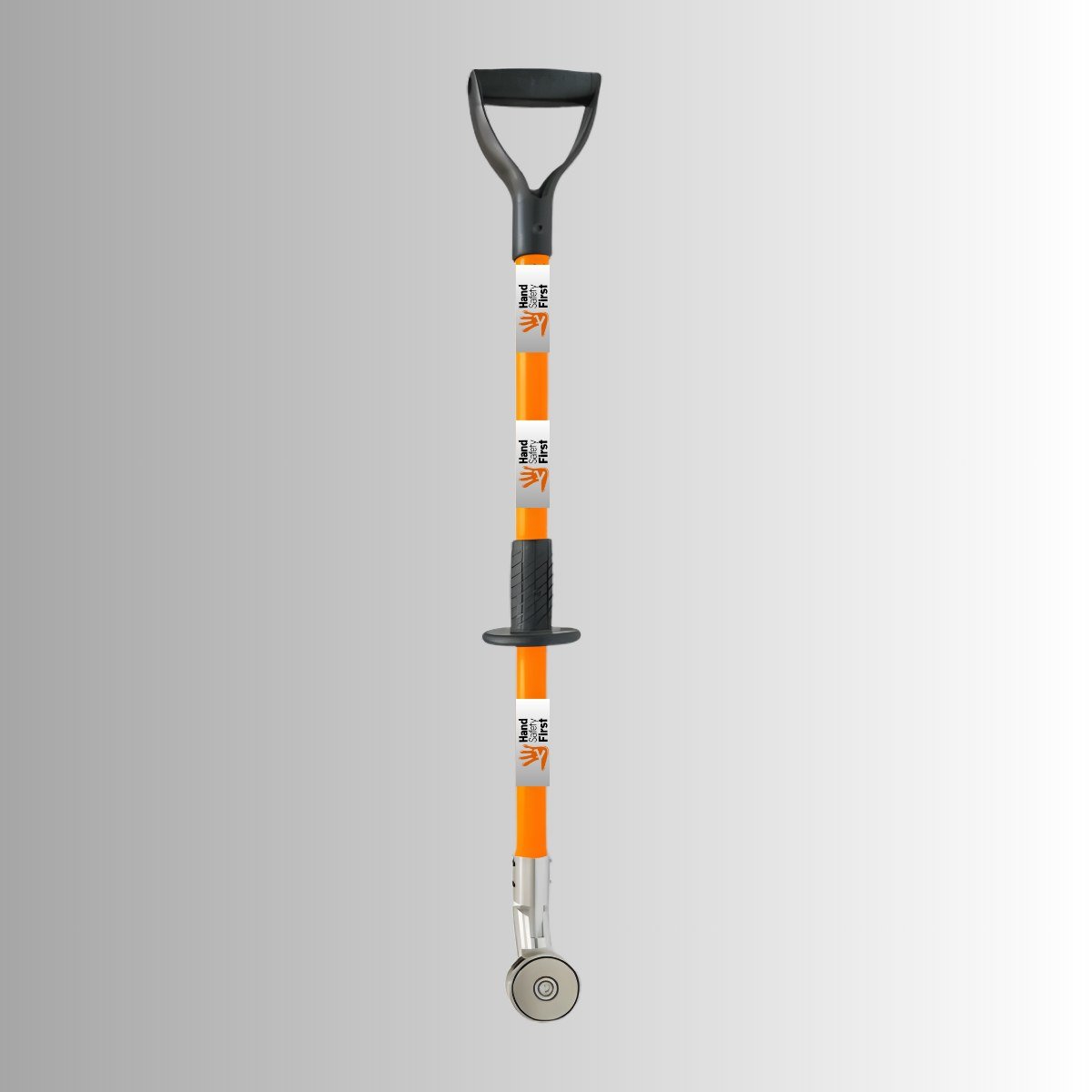
D-handle magnetic push/pull interface for ferrous load positioning.
Review steel surface, movement, handle position and release. Use the lifting system to support suspended loads.
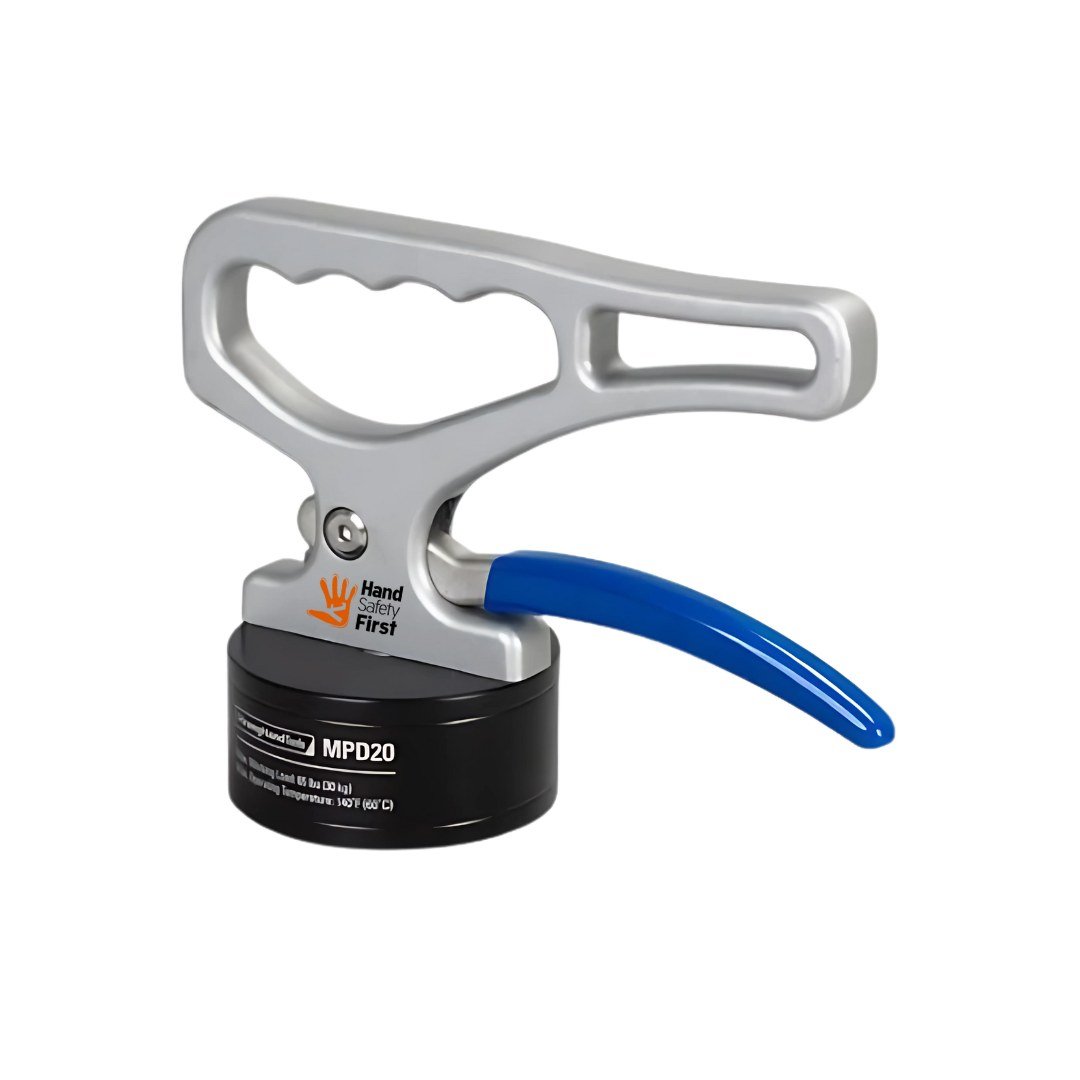
A switch-operated hand grip for handling suitable ferrous sheets and components.
Confirm material, thickness, surface, load weight and manual handling limits. Confirm model-specific permitted use and rating; do not infer overhead-lifting suitability.
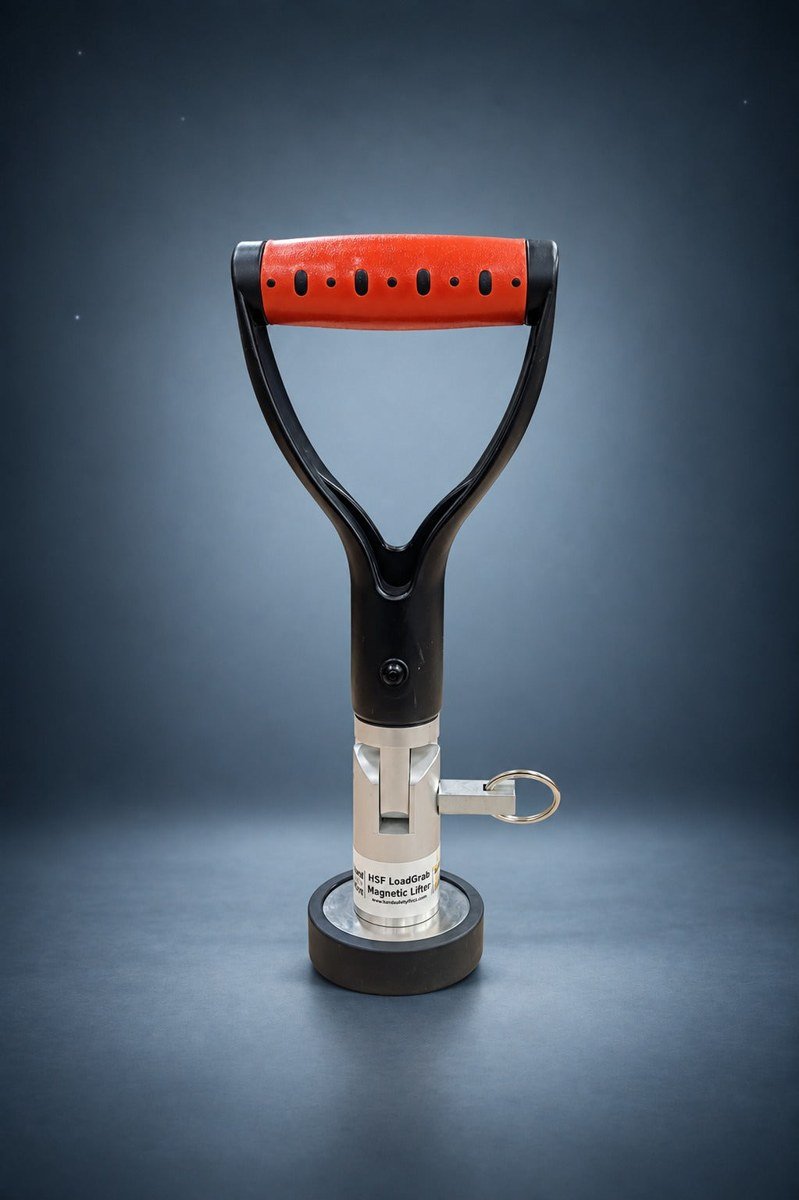
A magnetic material-handling grip with a locking interface.
Review contact, locking and release with the task. Confirm the current model and approved load limits before use; magnetic pull force is not a working load limit.
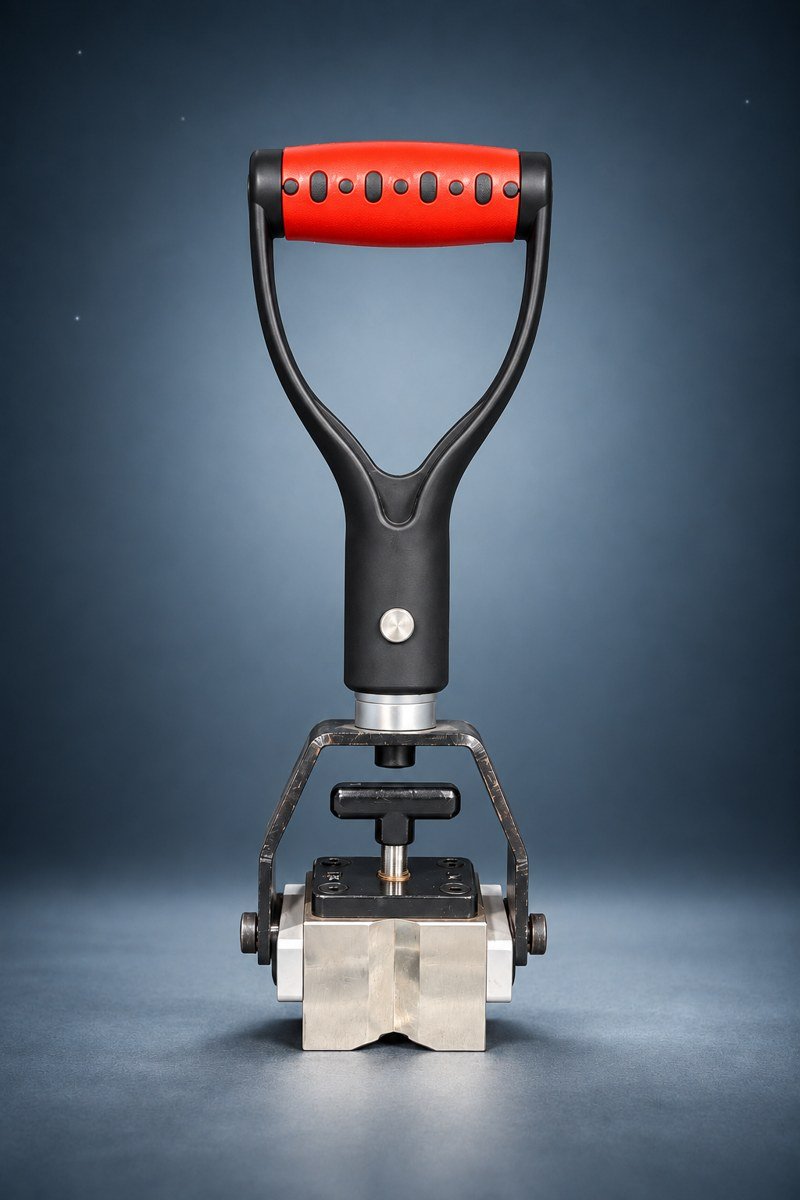
Switch-magnet hand tool for handling suitable ferrous components.
Confirm engagement, surface condition, material thickness and load limits. Plan placement and release; overhead lifting requires separately verified suitability.
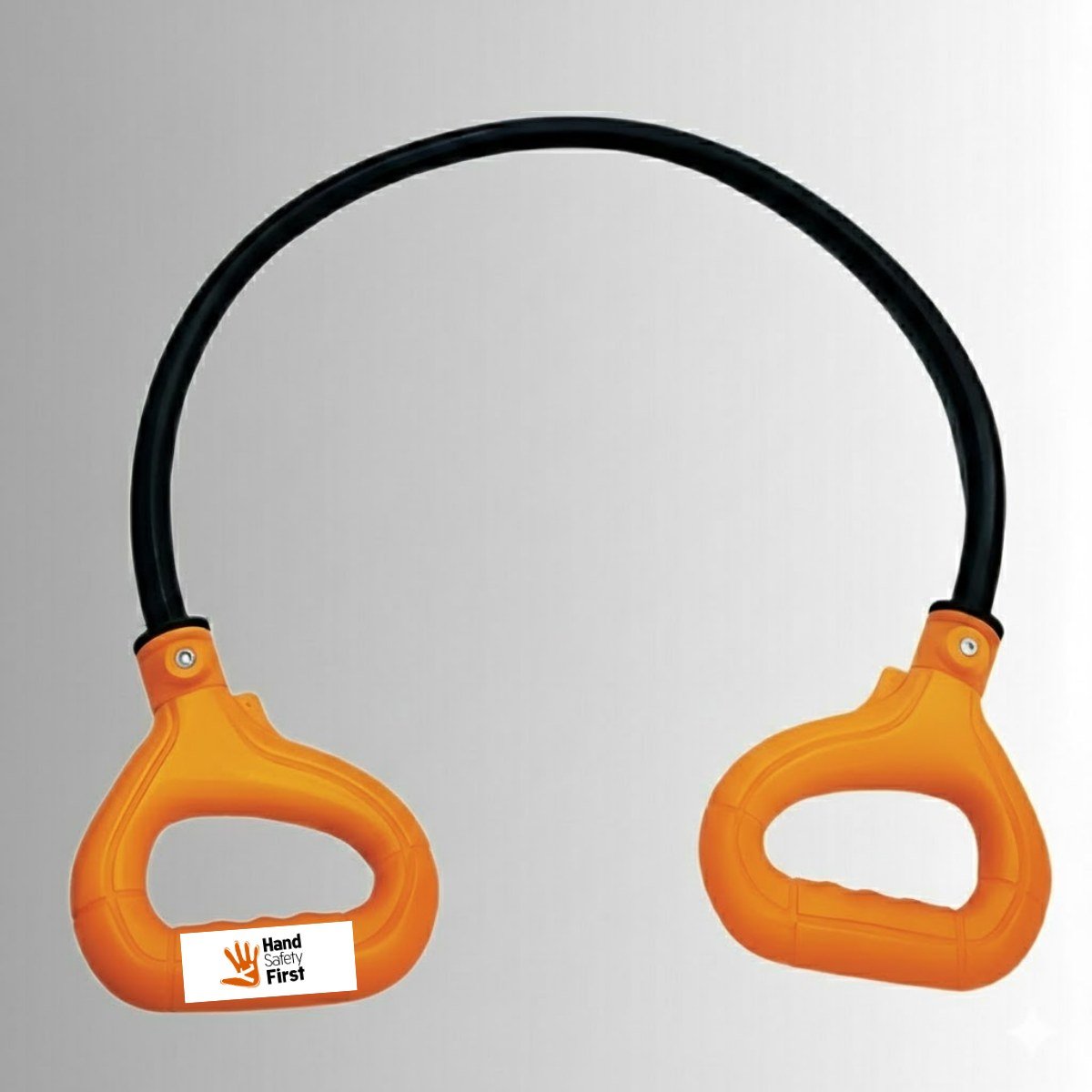
A wiping interface for removing residues from drill pipe and tool joints.
Review pipe movement, fluid compatibility and splash exposure. Establish the approved cleaning sequence and keep clear of rotating equipment.
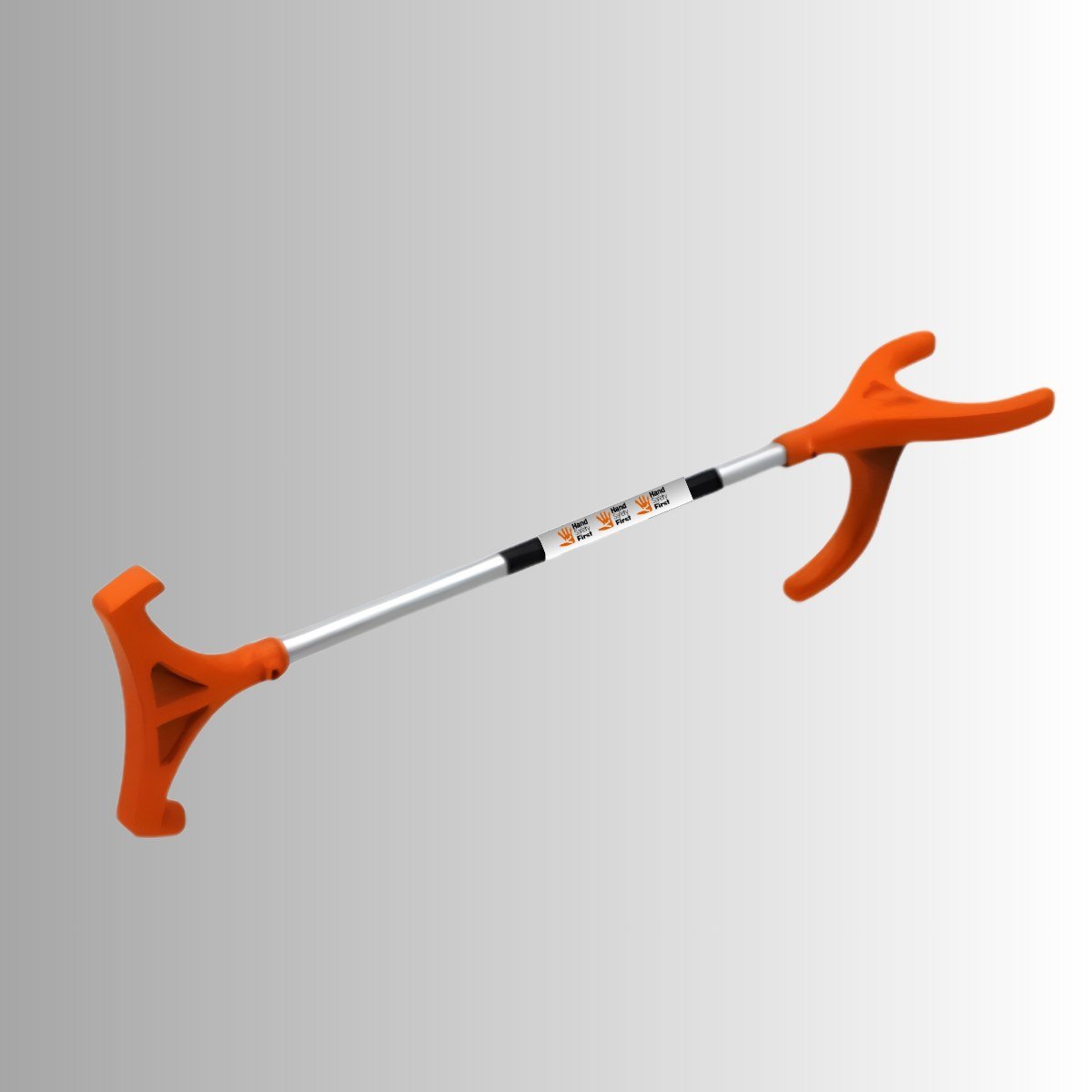
Guide pipe stands during positioning in the setback area.
Review contact geometry, landing zone, pipe movement and crew communication. The handling system supports the pipe.
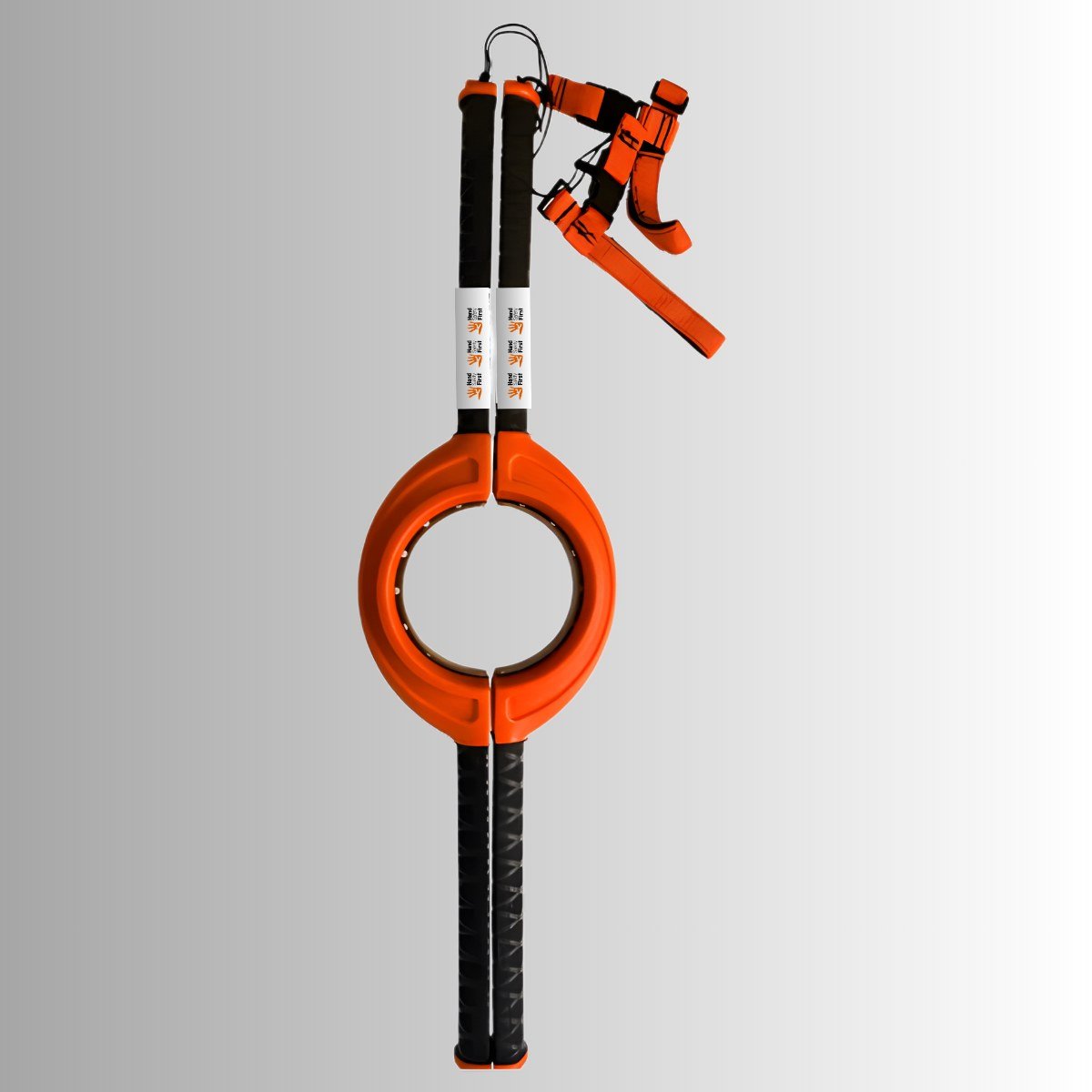
An alignment interface for drill-pipe connection operations.
Confirm pipe and connection geometry, crew roles and the complete stabbing sequence. Review installation and removal as well as alignment.
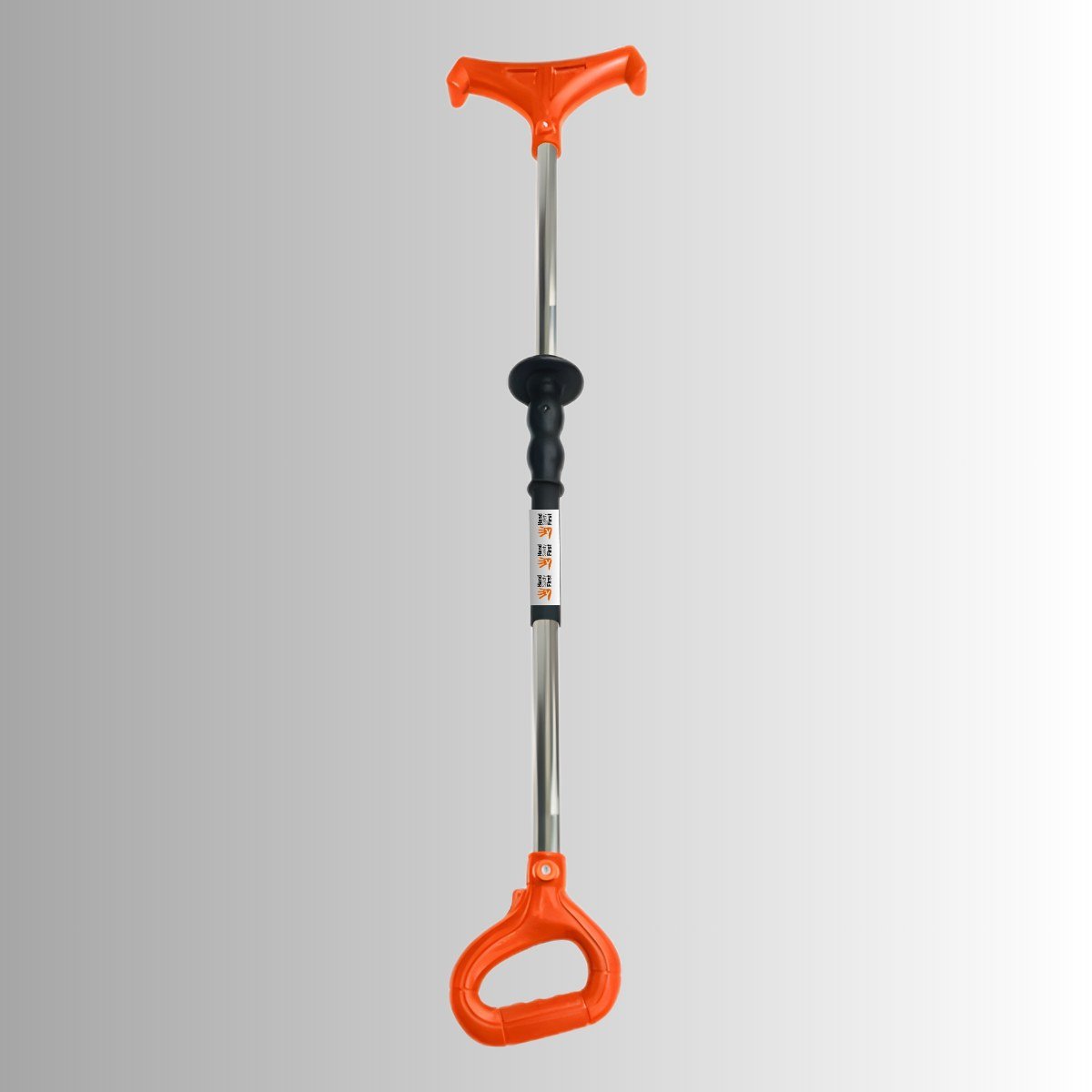
A push interface for guiding and positioning drill pipe or casing.
Use for the reviewed pushing task; do not assume pull or lifting capability. Confirm head fit, pipe movement and operator clearance.

Organise task-selected handling tools at the point of use.
Select kit contents around assessed applications. Confirm mounting, access, inspection and storage arrangements; configuration is agreed during quotation.
Share the task, the hand function and the movement. We can review the application and discuss a suitable next step.
Request an application review