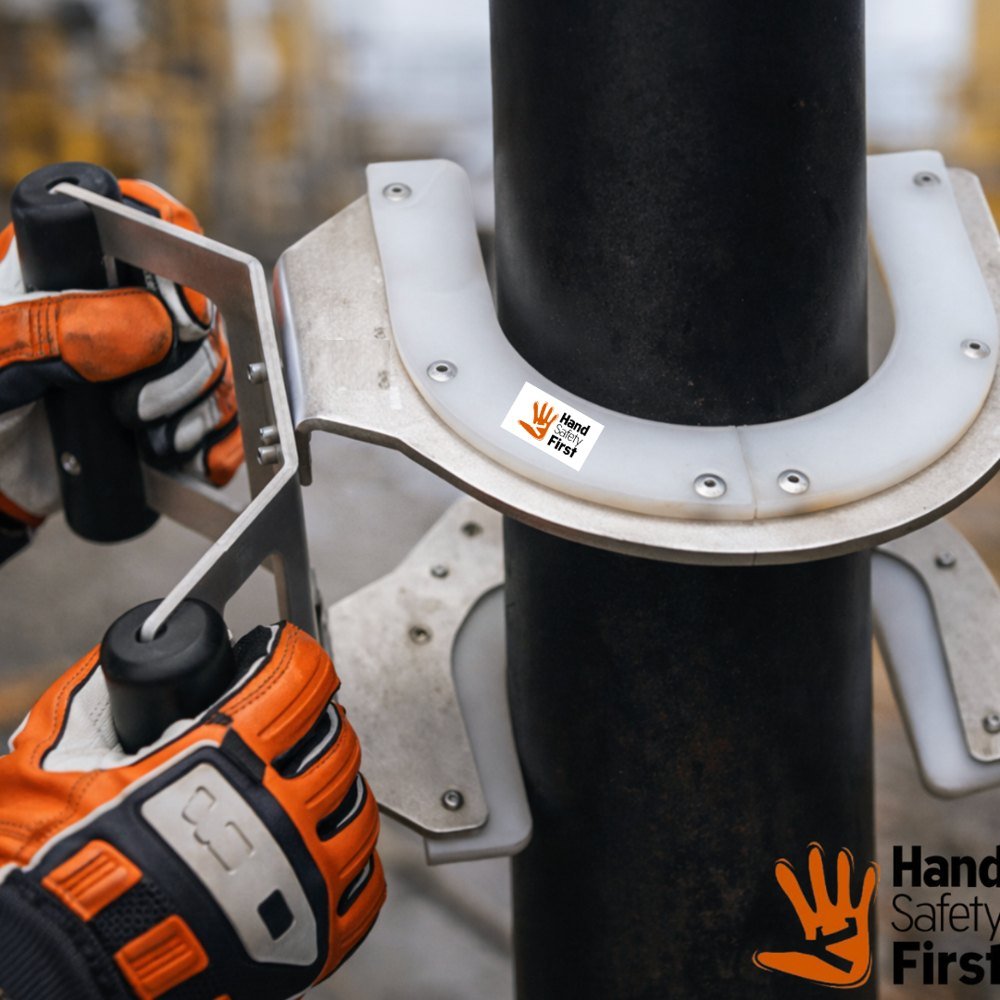
Observe the movement
Tubular positioning and rotation
Identify where the hand would otherwise guide, steady or correct the tubular.

Start with the task sequence and the function performed by the hand. Product selection comes after movement, energy, geometry and release have been understood.
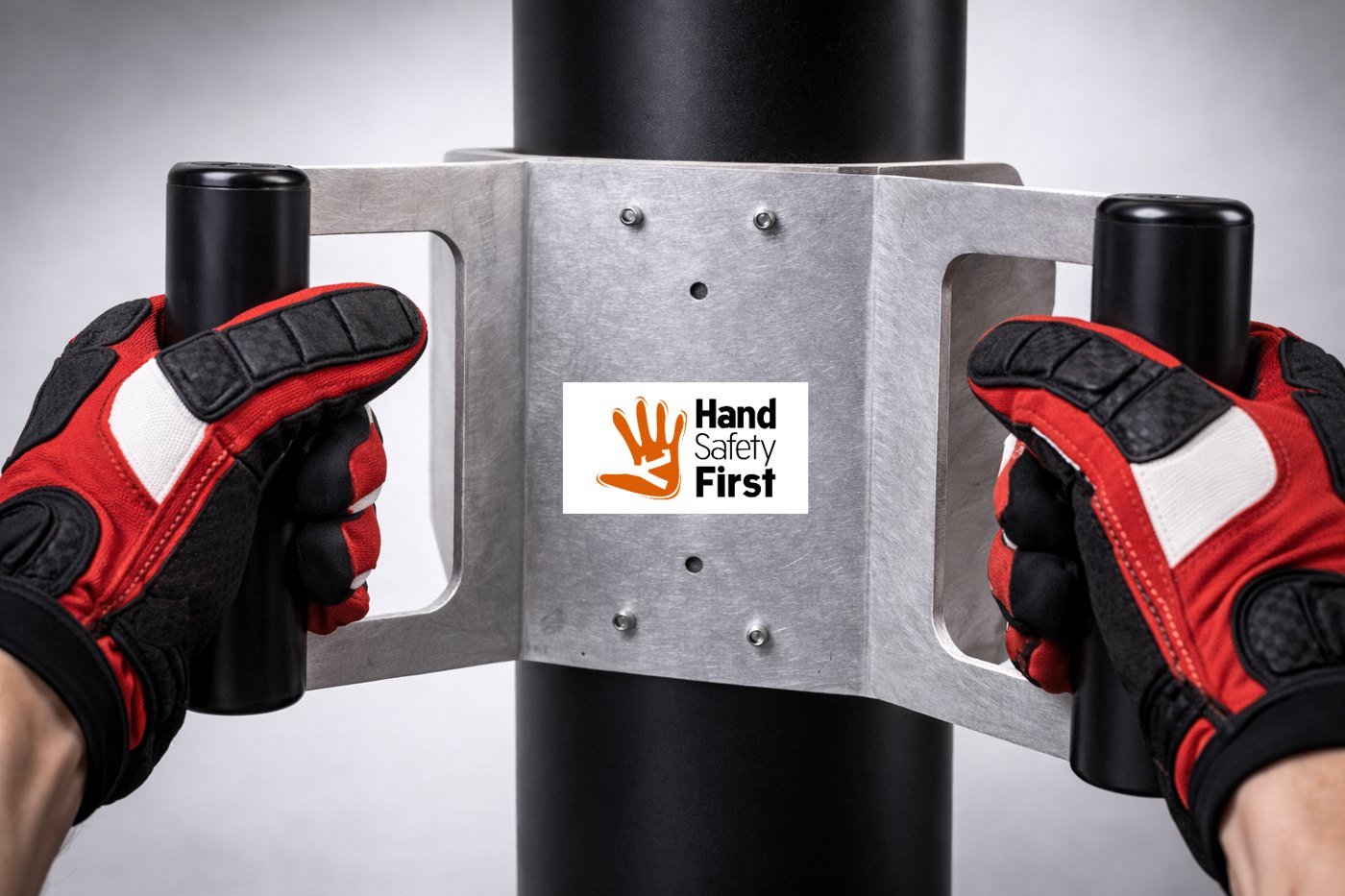
Find the hand at contact, final approach and release. Review load motion, landing geometry, attachment and operator clearance.
Load guidance, magnetic interfaces or taglines may be candidates, depending on the task.
Observe guiding, rotation, alignment and racking separately. Identify pinch points and unexpected movement.
Consider a tubular interface only after checking geometry and the operating sequence.
Identify reaching near a load, opening or restricted area. Can the retrieval function move to an interface?
Review reach, access and whether the item can move during retrieval.
Find the holding hand relative to the strike path. Review tool fit and the stability of the work.
A suitable holder may move the holding function; review the full striking method.
Review the manual lift, grip, contents, isolation and complete travel route.
Use the interface intended for the object. Cylinder handling and hose handling are distinct applications.
Identify the opening and what can enter or fall through it.
Opening covers address an opening hazard; they are not substitutes for task-specific hand controls.
Share the task, the hand function and the movement. We can review the application and discuss a suitable next step.
Request an application review