01
Find the Hand
Observe the complete task. Where does the hand enter, approach or remain in the working area?
Industrial hand safety starts with the work — the load, the movement and the reason a hand enters the exposure zone.
Explore our approach Explore the toolsObserve the complete task. Where does the hand enter, approach or remain in the working area?
Identify its function: guiding, holding, aligning, positioning, steadying, retrieving, pushing, pulling or striking.
Could something move, shift, drop, close, rotate, release, pinch, crush, cut or strike while the hand is there?
Change the task or move the function through a suitable fixture, process, remote interface or tool.
Review pushing, pulling and positioning around moving or suspended loads.
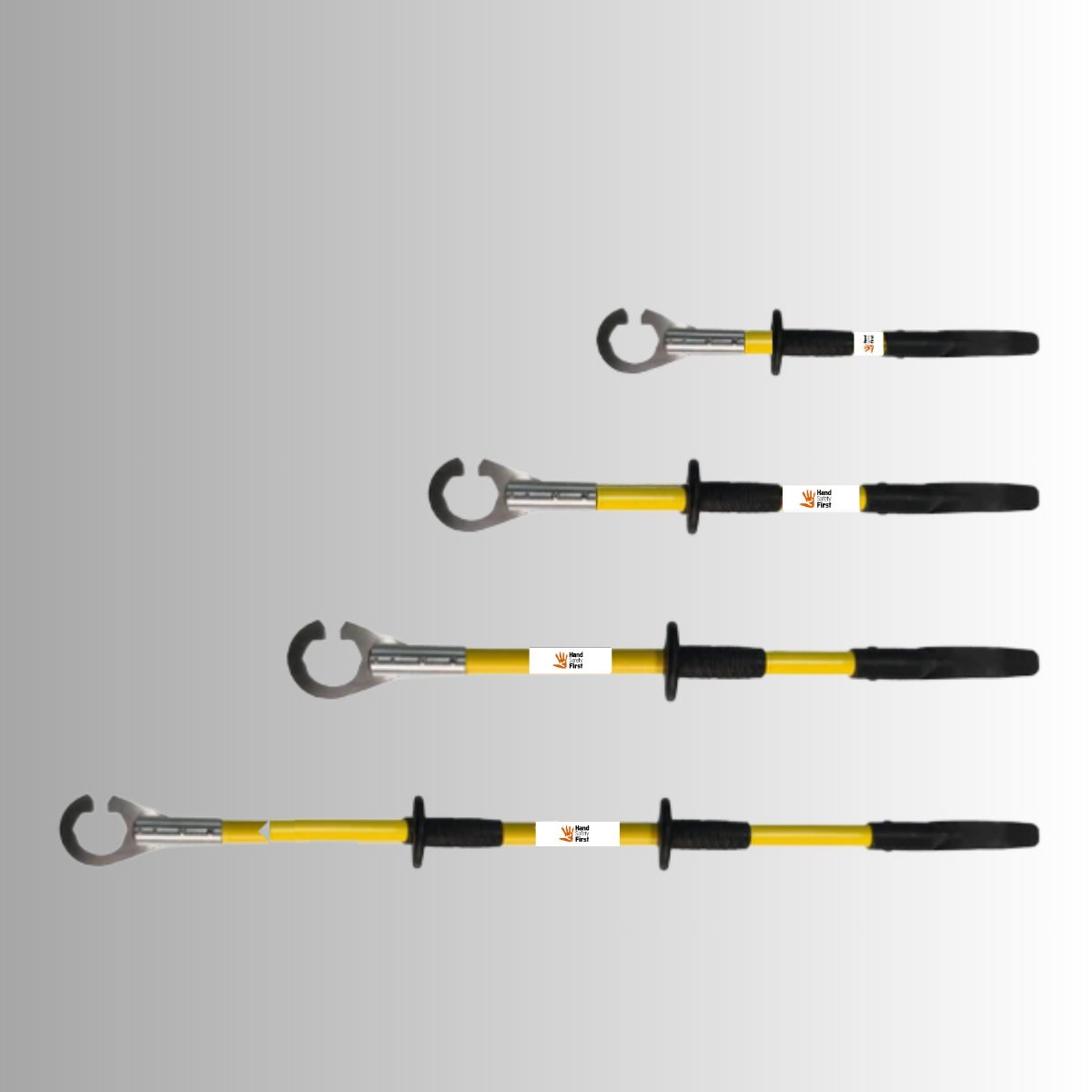
View handling interfaces →Examine pipe guidance, rotation, racking and opening safeguards as distinct tasks.
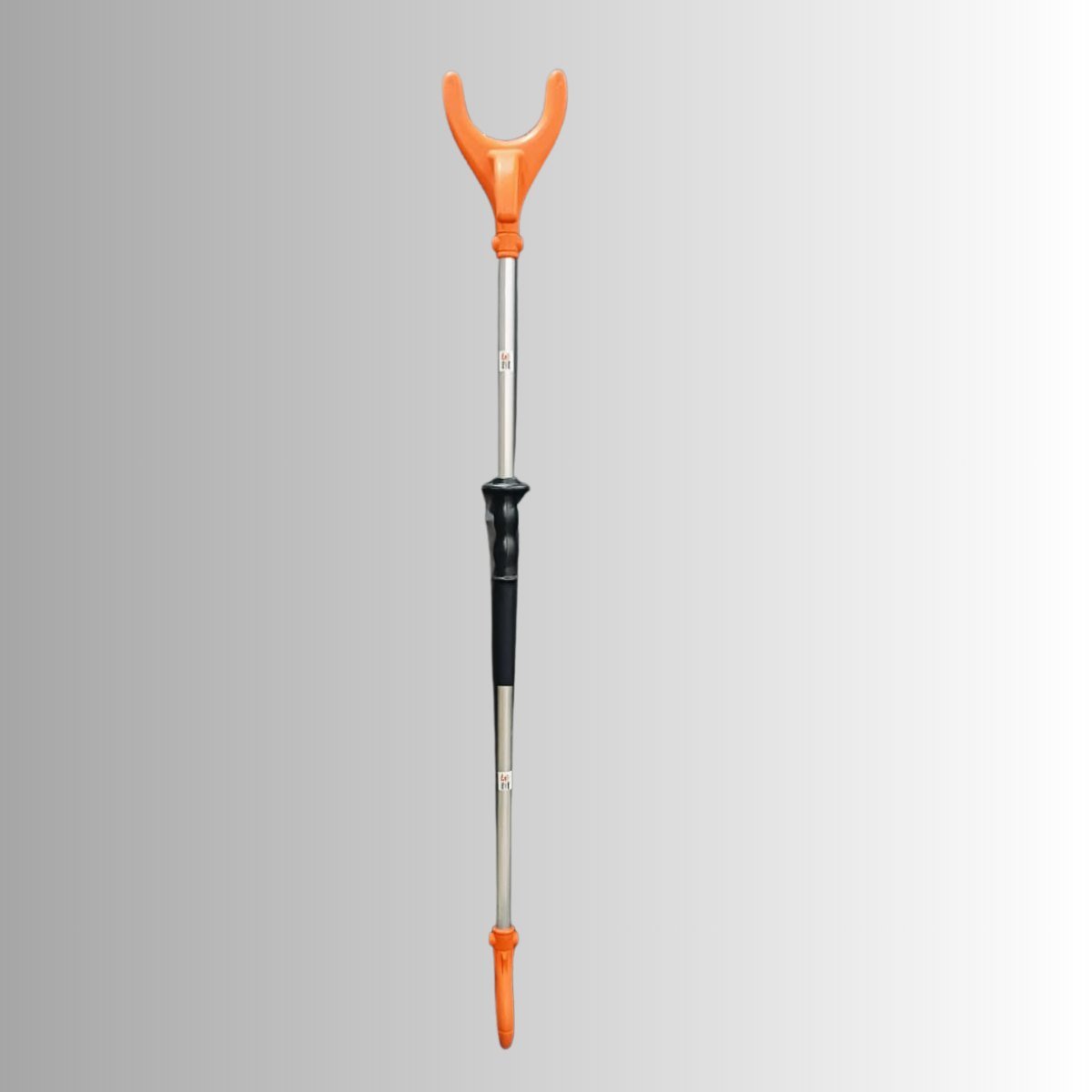
Explore applications →Move holding or reaching functions through an appropriate interface.
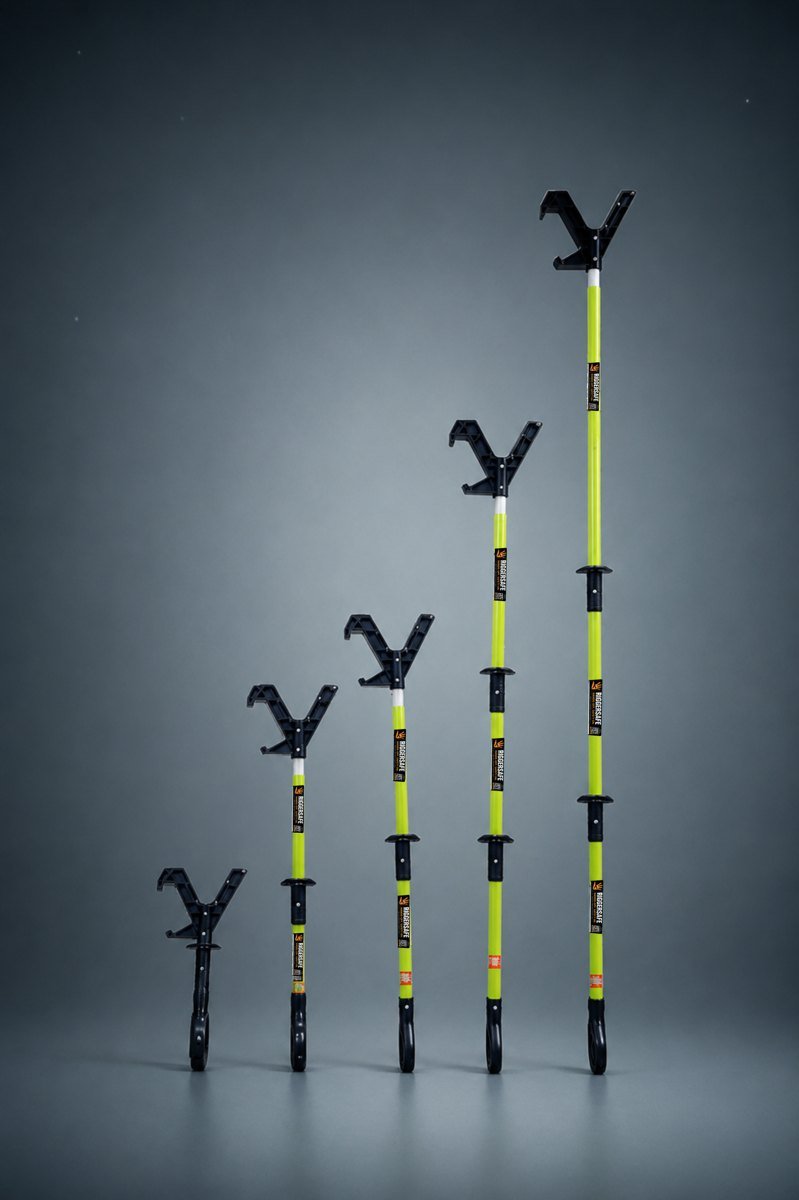
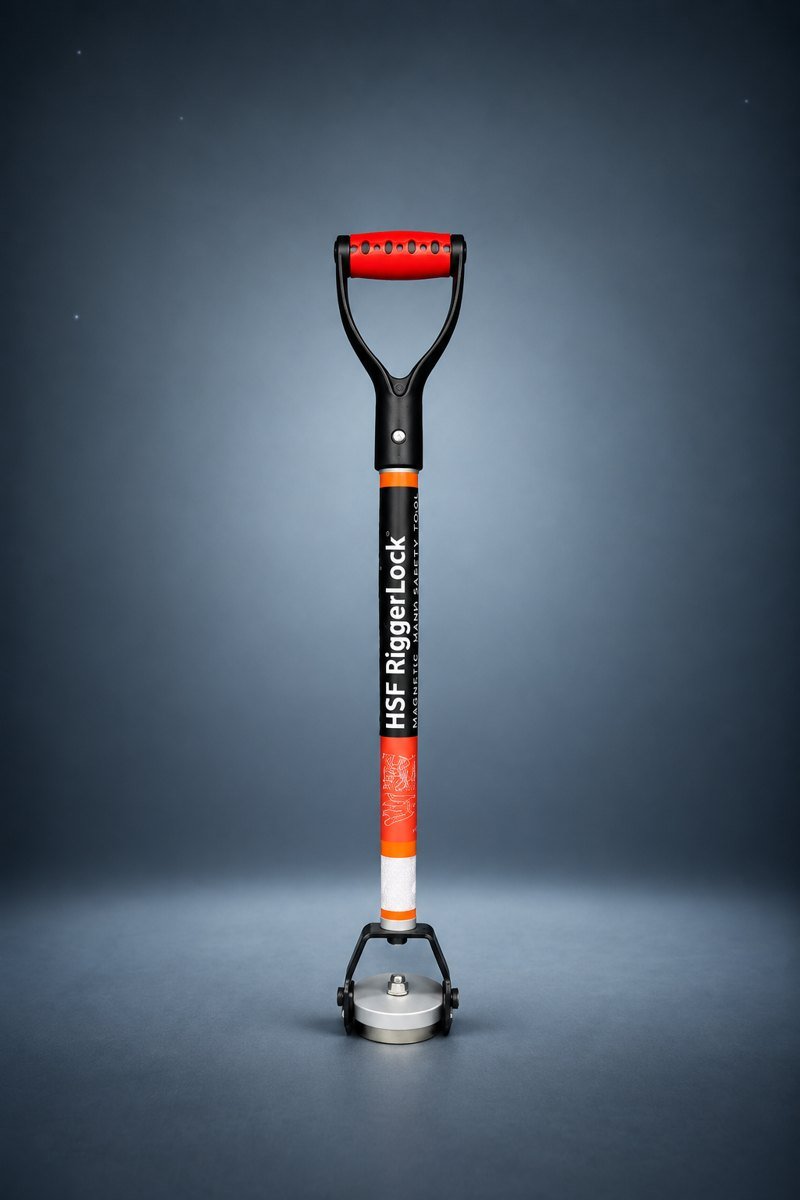
Explore the range →Explore RiggerLock Switch, Flex and Quick Detach, LoadGrab MagHead guidance tools and magnetic hand lifters. Match the interface to the work and review the release before selection.
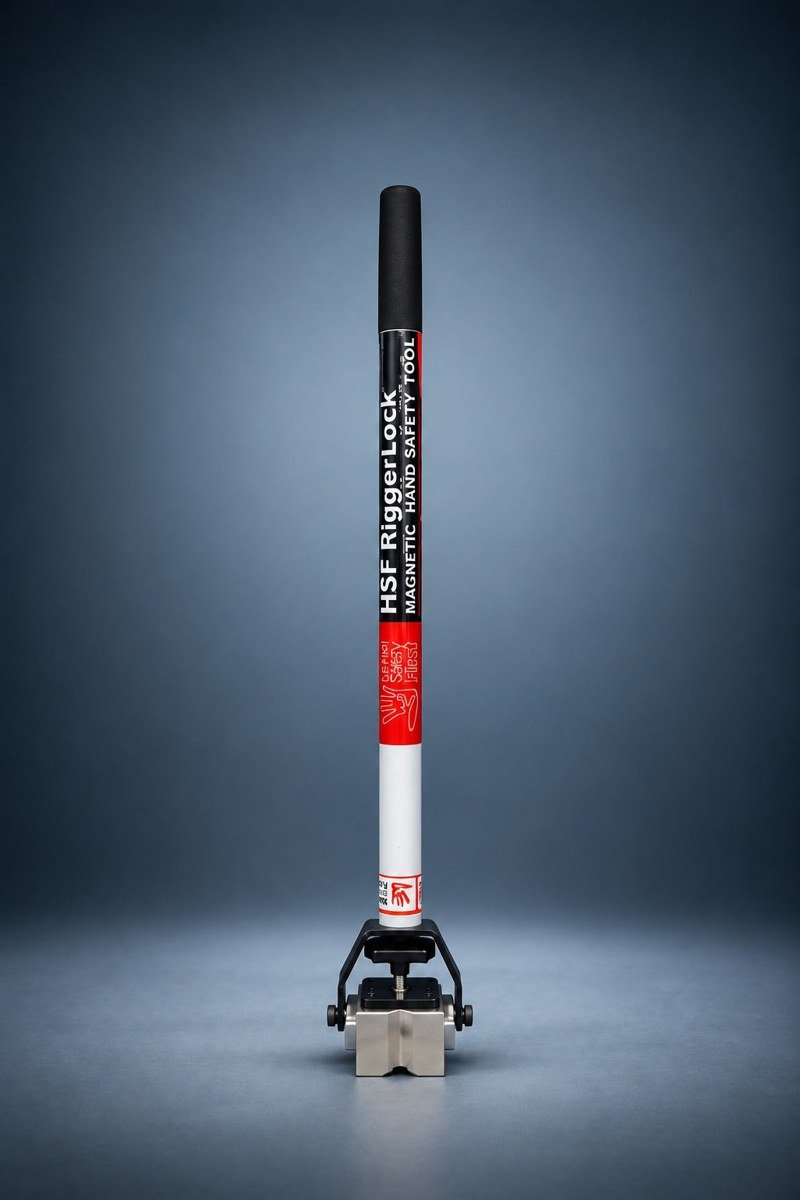
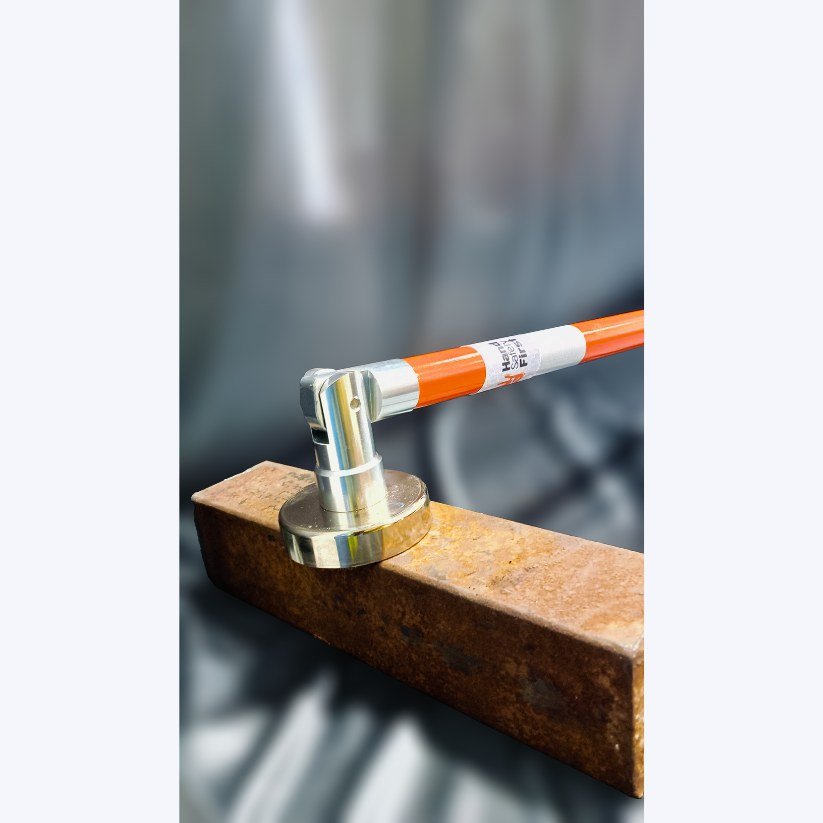
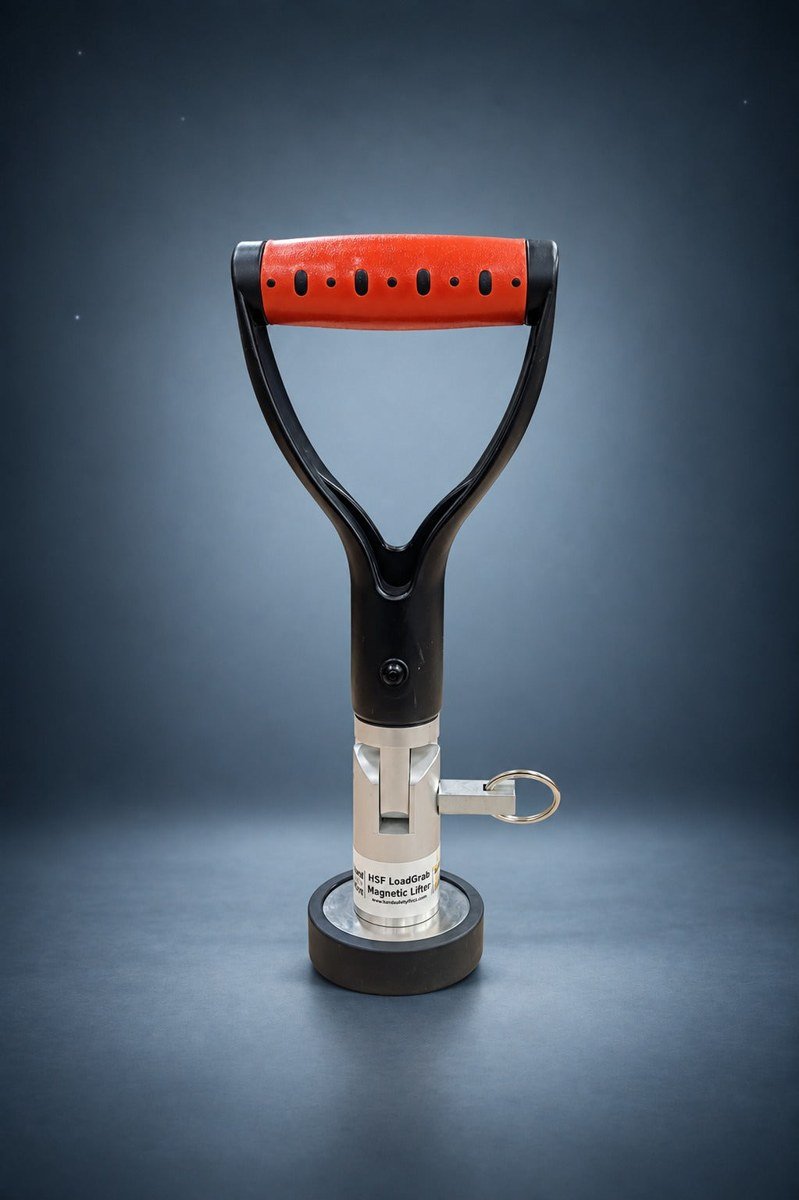
These in-use photographs show why the operating sequence, contact point and release matter. They are examples for task review—not proof that one interface suits every site.
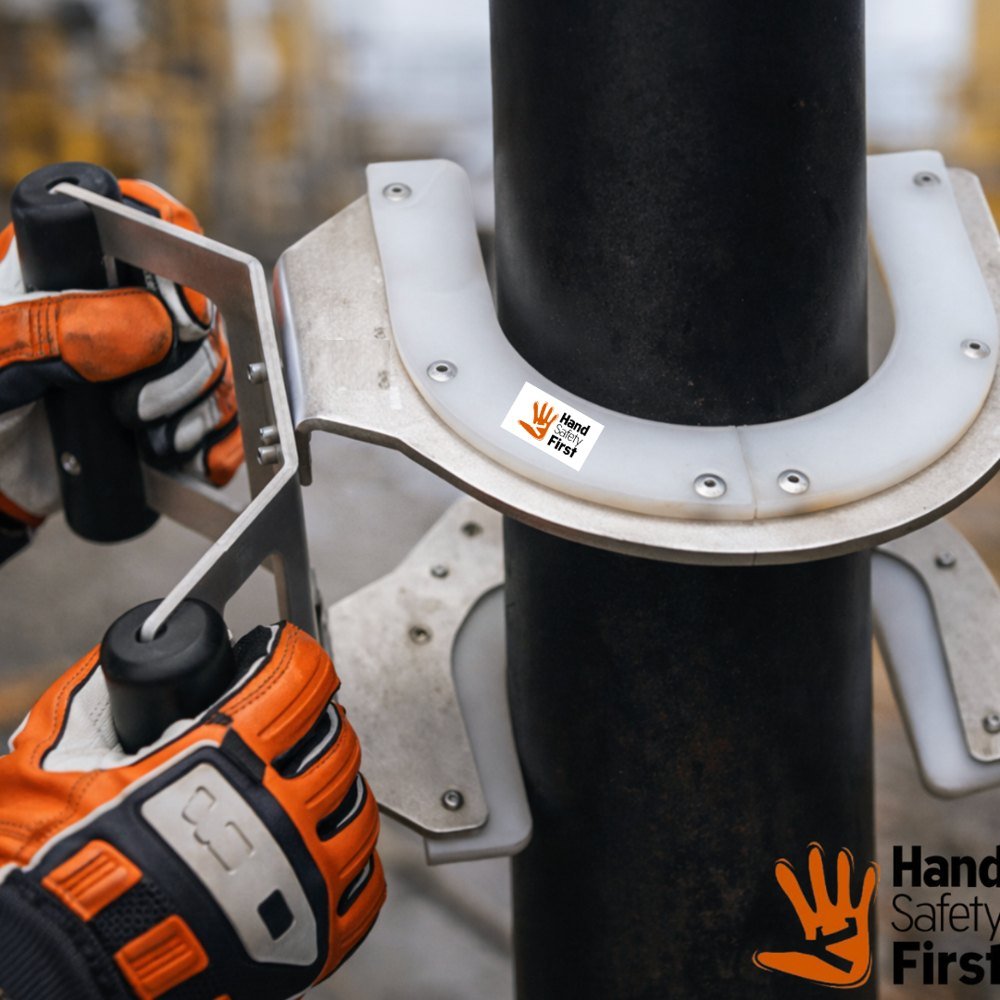
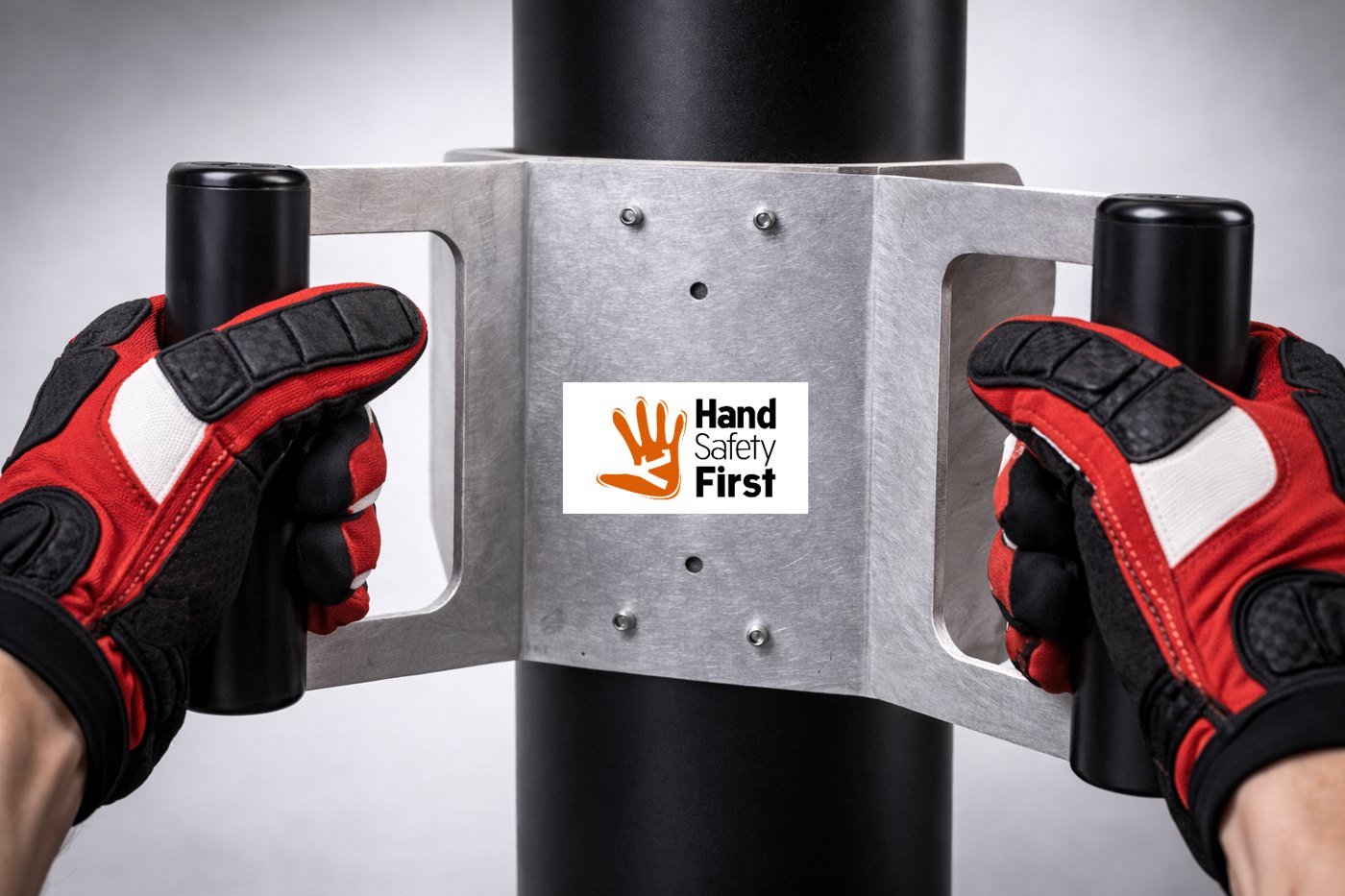
As positioning becomes precise and clearances close, hands may be invited back into the task. Examine that transition and the function the hand is performing.
“300 mm” names this final positioning phase. It is not a regulatory distance or a universal safe boundary.
Read the doctrineShare the task, the hand function and the movement. We can review the application and discuss a suitable next step.
Request an application review